If you can start Saturday with a coffee on Chicago Avenue, squeeze in a gallery stop, ride the 606, and cap the night with live music without ever opening a rideshare app, you’re tasting what makes West Town feel like its own little city. If you’re weighing a move here or prepping to sell, you want to know how that daily convenience and culture show up on the ground. In this guide, you’ll see why West Town reads as self-contained, how people spend weekends, your commute options, and what to expect from the housing stock. Let’s dive in.
Where West Town sits and what it includes
West Town is Chicago Community Area 24, just northwest of the Loop. It’s a patchwork that commonly includes Wicker Park, Ukrainian Village, Noble Square, River West, Pulaski Park, Smith Park, and the East Humboldt Park corridor. You get distinct pockets with their own energy, yet they function together like a small city core. West Town’s community overview is a useful reference if you’re learning the map.
Recent community snapshots place the area’s population in the high-80,000s and note relatively high educational attainment and median household income compared with many other Chicago community areas. These profiles draw from Census and ACS data and are best read as context. You can review a recent Community Data Snapshot for a planning-style overview.
Why it feels like a little city
Walkable commercial corridors
Short, busy stretches of Division Street, Milwaukee Avenue, and Chicago Avenue stack cafes, restaurants, boutiques, bars, and services in tight clusters. You can run daily errands, meet friends, and find a new dinner spot within a few blocks. That density creates multiple neighborhood “centers,” not just one main street.
Lofts and a creative backbone
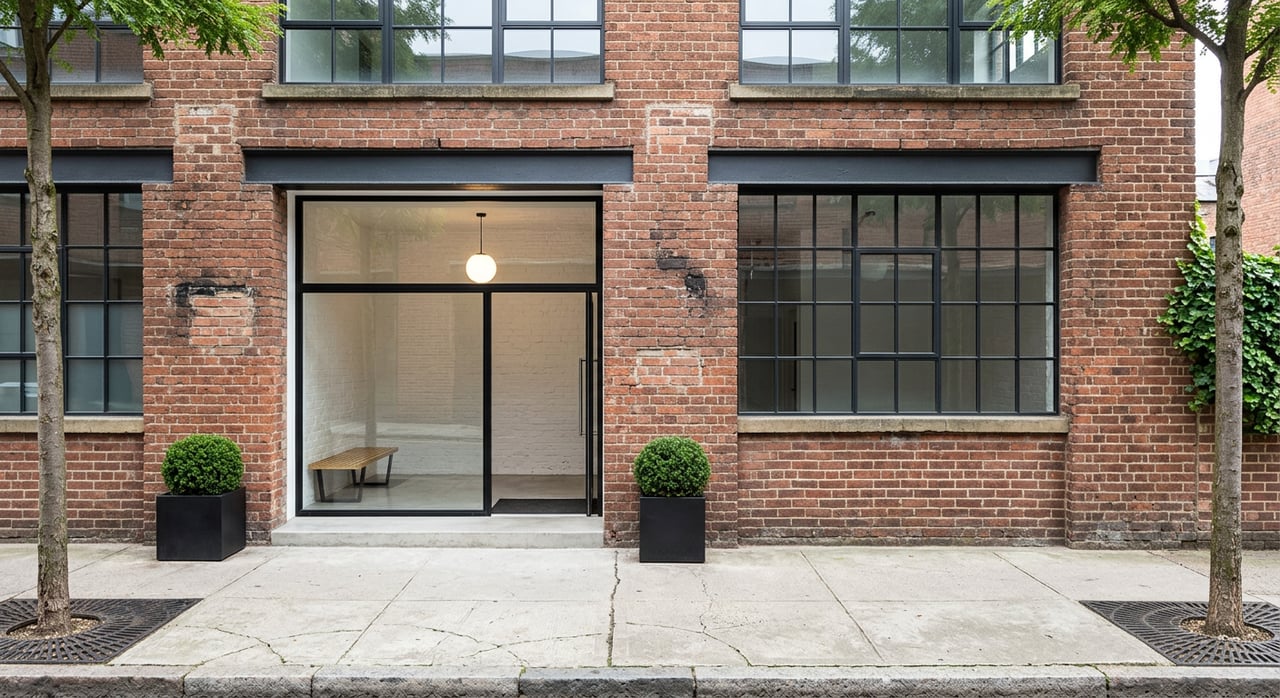
West Town’s former factories and warehouses seeded today’s lofts, studios, and small galleries. Those tall windows and high ceilings gave artists and makers space, with ground-floor spots for retail and cafes. That creative substrate still shapes the vibe and helps independent businesses thrive. You’ll see it in micro-galleries and studio buildings cited in local arts histories.
Cultural anchors you’ll actually use
Institutions keep the neighborhood’s calendar full and local. The Ukrainian Institute of Modern Art hosts exhibitions and programs year-round. The National Museum of Puerto Rican Arts & Culture and the broader cultural corridor often referenced as Paseo Boricua, recently highlighted with the name Barrio Borikén, host festivals and workshops that draw residents block by block. Learn more about the corridor through the Puerto Rican Cultural Center.
Parks, the 606, and everyday outdoor life
The elevated Bloomingdale Trail (the 606) clips West Town’s north edge, linking parks and small retail nodes with a car-free path for jogs, rides, and kid-bike practice. Wicker Park provides a lively green hub, while Humboldt Park offers a wide, scenic landscape just west. These public spaces shape weekends and keep recreation close to home.
A weekend that stays local
You can plan full days without leaving the neighborhood:
- Morning: Coffee and pastries on a commercial strip, dog walks, playground time, and a seasonal market browse. Scan a Chicago region farmers market schedule as the weather warms.
- Midday: Boutique shopping and vintage along Milwaukee, Division, and Chicago Ave. Grab tacos, a wood-fired slice, or a sit-down lunch on the same block.
- Afternoon: A ride or run on the 606, a museum visit at UIMA or NMPRAC, and time in Wicker Park or Humboldt Park.
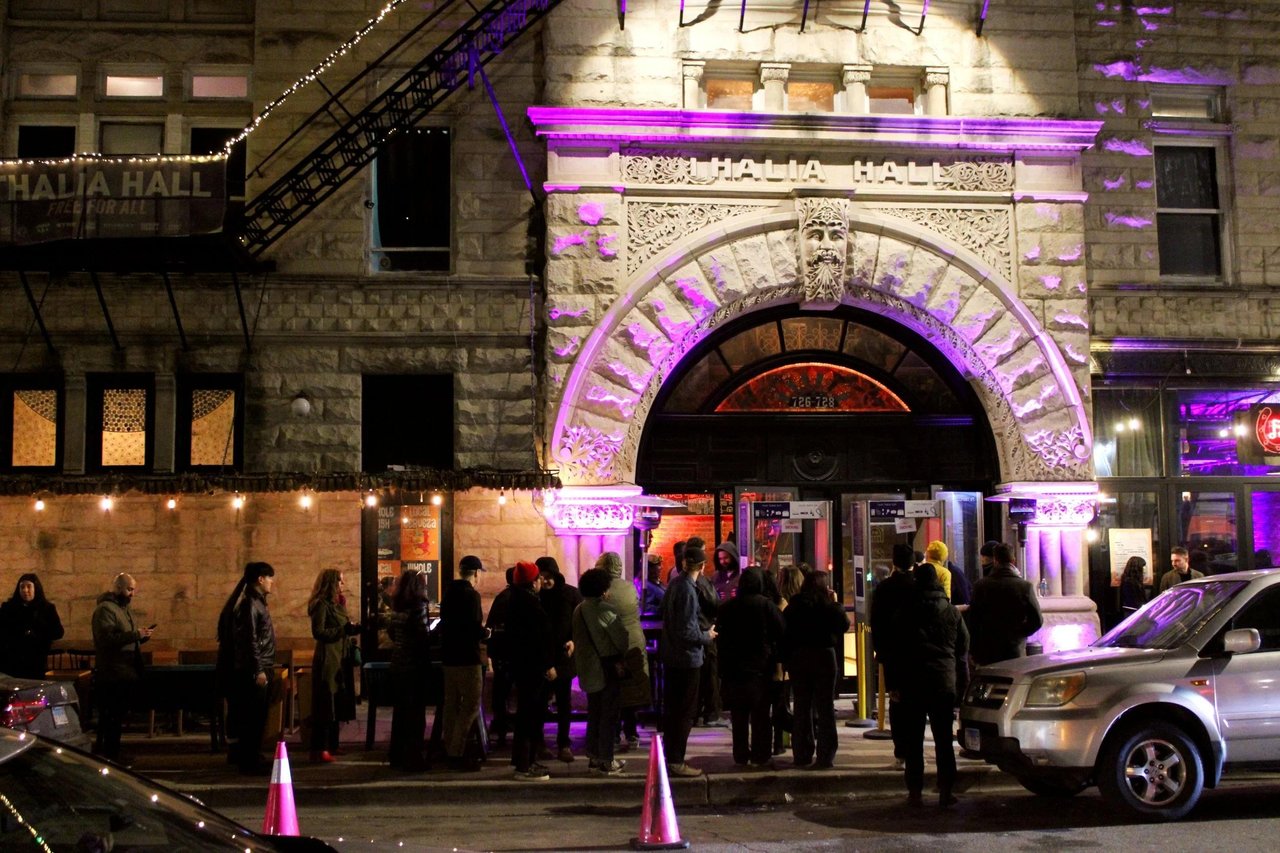
- Evening: Neighborhood cocktail bars, independent restaurants, and live music at places like the Empty Bottle. Many nights out happen right here, which is a big part of the “little city” feel.
Getting around: fast and flexible
CTA Blue Line access
Multiple Blue Line stops serve West Town, including Grand, Chicago, Division, and Damen. You get one-seat access to both O’Hare and the Loop, which is why many downtown workers are comfortable living here. For station context and history, see Division on Chicago-L.org, and review Damen station’s role. Always confirm current schedules with the CTA when you plan your commute.
Driving and biking
The Kennedy Expressway (I-90/94) runs through the area, giving a direct route to the Loop. Traffic varies by time of day, but the short geographic distance to downtown is a real advantage. Biking is also practical thanks to the 606 and neighborhood bike lanes that link to many daily destinations.
Buses and short hops
High-frequency routes on corridors like Damen, Western, Milwaukee, and Division fill in gaps between rail stops and help with late-night moves. If you do not own a car, it’s still easy to stitch together errands and nights out.
Housing: what you’ll find
The neighborhood’s housing stock is varied. You’ll see classic loft conversions in former industrial buildings, mid-rise condos, townhomes, walk-ups, and newer infill. Inventory and pricing pressure differ block by block, with sections of Wicker Park and Ukrainian Village typically commanding higher values than blocks farther west or east. For an at-a-glance primer on the area, start with the West Town overview, then pair it with a current market analysis before you make a move.
Market providers use different methodologies for values and rents, so figures rarely match across platforms. The key takeaway is that desirable, walkable corridors tend to be tight on inventory, which supports steady demand. If you are buying or selling, align on source, timeframe, and property type when you compare numbers.
Who West Town fits
If you value walkability, a creative pulse, and transit that gets you to the Loop or the airport on one train, West Town should be on your list. If you are comparing lakefront convenience to inland convenience, think in terms of trade-offs. West Town usually offers more mixed commercial life on your block and often a lower cost per square foot than some lakefront addresses, while adding a slightly longer stroll to the water.
Buyer and seller tips
- Map your micro-neighborhoods. Tour Division, Milwaukee, and Chicago Ave to see which corridor fits your daily routine best.
- Know your product types. Loft conversions, townhomes, and newer infill each come with different layouts, finishes, and HOA structures.
- Verify the data. Use a single, current source for values and inventory when you compare homes.
- Plan your commute. Test a Blue Line trip during your usual hours and confirm bus options for late nights.
- Consider parking and mobility. Decide if you want a deeded space or if transit and biking meet your needs.
- Prep to compete near hot corridors. Clean presentation and strong pricing strategy matter when inventory is tight.
Ready to explore West Town or price your property? Connect with Jimmy Styx to get your home valuation or book an appointment.
FAQs
What and where is West Town in Chicago?
- West Town is Community Area 24, just northwest of the Loop, commonly including Wicker Park, Ukrainian Village, Noble Square, River West, Pulaski Park, Smith Park, and the East Humboldt Park corridor.
How do you commute from West Town to the Loop?
- The Blue Line offers one-seat service to downtown from stops like Division and Damen; confirm current times with the CTA and consider bus routes for short hops.
What is the weekend scene in West Town like?
- You can fill days with coffee runs, markets, shopping, the 606, museums, parks, and live music, often without leaving the neighborhood.
What kinds of homes are common in West Town?
- You’ll find lofts in former industrial buildings, mid-rise condos, townhomes, classic walk-ups, and newer infill, with pricing that varies by block and corridor.
Is West Town near parks or trails?
- Yes; the Bloomingdale Trail (the 606) lines the north edge, and Wicker Park and Humboldt Park add green space and neighborhood programming.
How does West Town compare to living on the lakefront?
- West Town trades direct lake access for denser mixed-use streets and often a lower cost per square foot, which many residents value for everyday convenience.