If you are getting ready to sell a condo in Old Town, your checklist needs to do more than cover paint touch-ups and listing photos. In this part of Chicago, buyers often look closely at the unit, the building, and the surrounding lifestyle all at once. With the right prep, you can avoid last-minute surprises, answer buyer questions with confidence, and present your condo in a way that feels organized and move-in ready. Let’s dive in.
Why Old Town condo prep is different
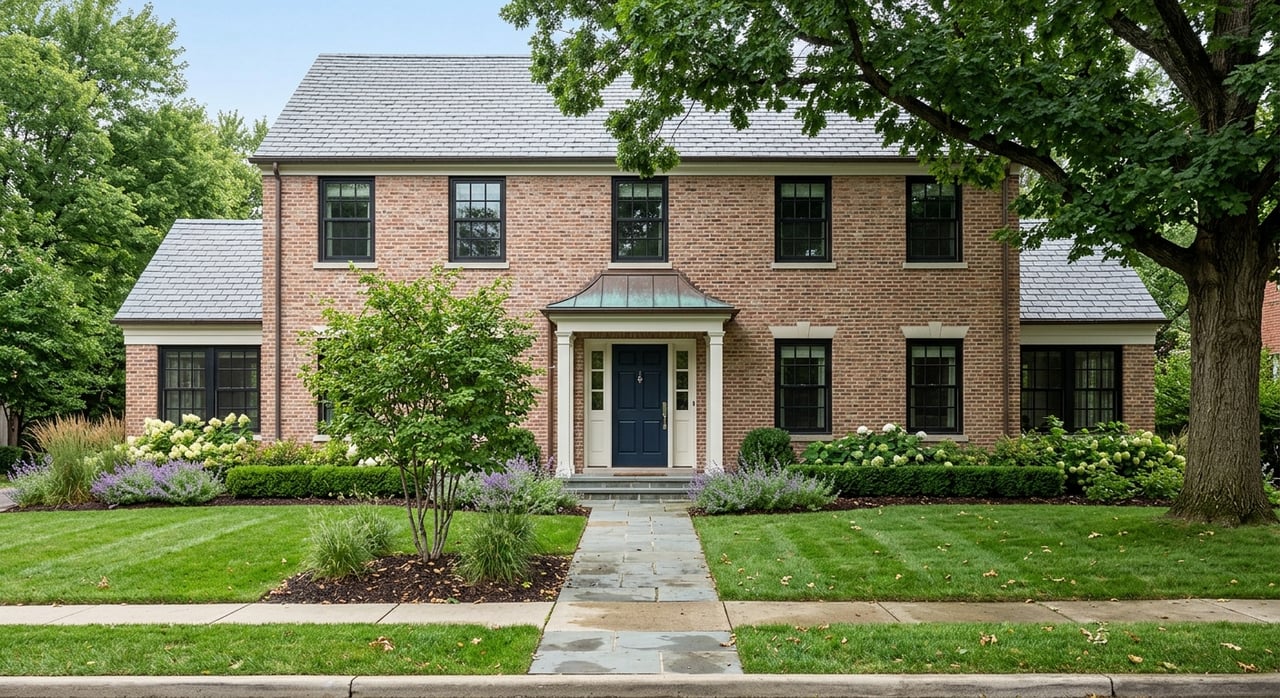
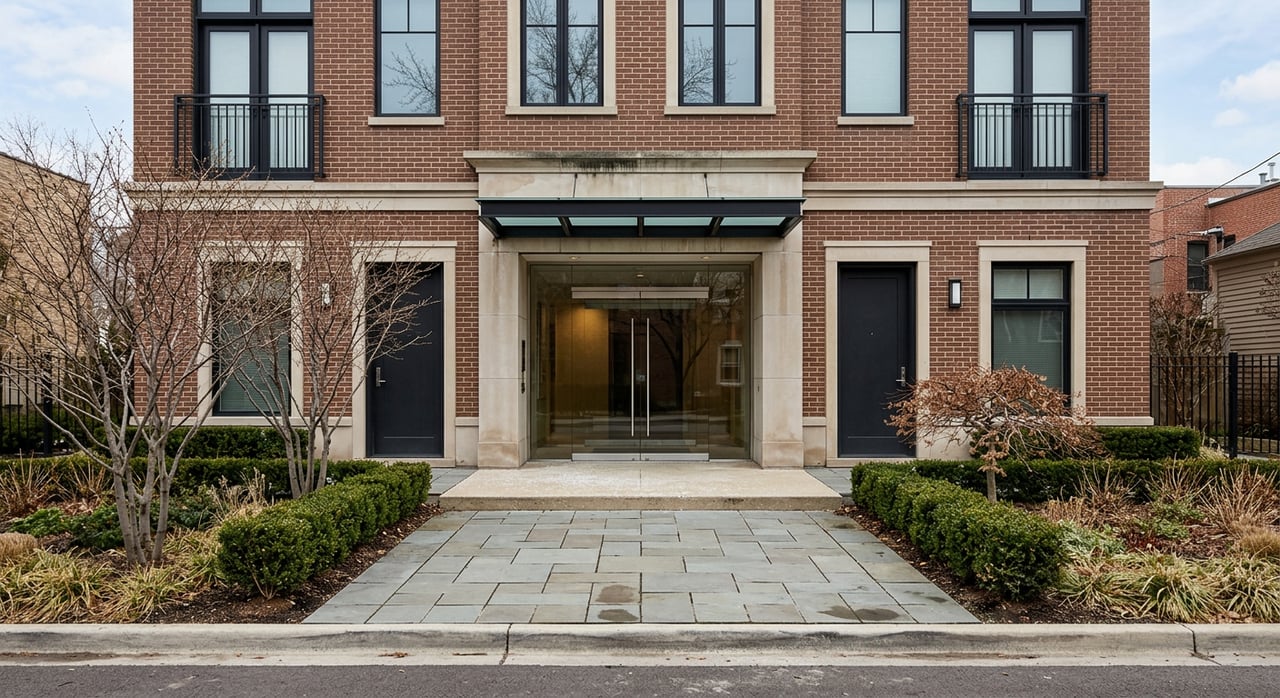
Old Town has some of Chicago’s oldest residential housing stock, including brick dwellings, flats, row houses, brownstones, and greystones. In parts of the neighborhood, especially the Old Town Triangle, exterior changes and certain building-related work may be subject to a historic-district review process, as outlined by the Old Town Triangle Association and landmark district materials.
That matters when you sell because buyers may ask about more than your finishes and floor plan. They may also want clarity on windows, masonry, façade work, roof-related projects, and whether prior changes were properly approved. In an older condo building, being organized is part of the value you are offering.
Old Town also sells a lifestyle, not just square footage. According to the National Association of REALTORS® 2025 generational trends report, buyers often weigh neighborhood quality, convenience, affordability, shopping access, entertainment, and walkability when choosing where to live.
Start 60 to 90 days early
The smartest condo sellers begin well before the listing goes live. A 60- to 90-day runway gives you time to collect documents, review association details, make repairs, and get the home photo-ready without rushing.
This early timeline is especially helpful in condo sales because association paperwork can take time. Under the Illinois Condominium Property Act, associations must make certain requested records available within 10 business days of a written request, but it still makes sense to ask early and leave room for follow-up.
Your early timeline checklist
- Request your association resale documents
- Review monthly assessments and any special assessments
- Gather records for repairs, updates, and alterations
- Check whether parking or storage is included and documented
- Plan minor repairs and cosmetic touch-ups
- Declutter and simplify each room
- Schedule photography and video only after the unit is fully prepped
Gather condo documents first
For many Old Town condo sales, paperwork is where the real checklist starts. Illinois law requires sellers to obtain and make available key resale information for prospective buyers, and your listing agreement process may also require a complete condo document package.
A strong seller packet helps your transaction move faster and reduces uncertainty. It also shows buyers that the unit and building have been well managed.
What to request from the association
Based on the Illinois Condominium Property Act and the Chicago Association of REALTORS® listing agreement, your file should generally include:
- Declaration
- Bylaws
- Rules and regulations
- Current budget
- Latest financial statement
- Reserve study, if available
- Board meeting minutes
- Current assessment ledger
- Statement of liens or unpaid assessments
- Insurance summary
- Pending suit or judgment information
- Anticipated capital expenditures for the current or next two fiscal years
- Board or property management contact information
- Any waiver or right-of-first-refusal paperwork, if applicable
- Survey or plat showing parking or garage space being conveyed, if applicable
Associations may charge up to $375 for resale information, plus up to $100 for rush service within 72 hours under Illinois law. That is another reason to build this into your timeline early.
Review reserves and special assessments
Buyers will often focus on the building’s financial health as much as the unit itself. They may ask about reserve levels, recent projects, planned projects, and whether any special assessment is active or being discussed.
Illinois law also requires disclosure if the association has waived all or part of its reserve requirements. If that applies to your building, it should not come as a surprise late in the deal. It is better to understand the situation up front and be ready to explain the facts clearly.
Confirm any past work and approvals
In Old Town, this step can be easy to overlook, but it matters. If you completed alterations to your unit or had work done involving limited common elements or exterior-related components, buyers may ask whether the work was approved.
Keep copies of permits, invoices, board approvals, and contractor records for any meaningful updates. In older and landmark-sensitive buildings, buyers may want extra clarity around window replacements, masonry work, exterior maintenance, and any changes that could have involved historic-district review.
Helpful records to gather
- Contractor invoices
- Permit records
- Board approval emails or letters
- Architectural review approvals, if applicable
- Warranty information
- Before-and-after documentation for major improvements
Focus on repairs that buyers can see
You do not always need a full renovation to make an Old Town condo more marketable. In many cases, the best return comes from fixing visible issues and making the home feel clean, bright, and easy to understand.
The research supports that approach. The NAR Profile of Home Staging found that 81% of buyers’ agents said staging makes it easier for buyers to visualize a property as a future home.
High-impact pre-listing fixes
- Repaint scuffed or bold walls with a neutral finish
- Re-caulk kitchens and bathrooms
- Clean windows thoroughly
- Replace burned-out bulbs
- Adjust sticky doors or cabinets
- Change HVAC filters
- Repair obvious cosmetic wear
- Remove bulky or excess furniture
These small updates can have an outsized effect in a condo, where every room needs to feel efficient and well maintained.
Stage the rooms that matter most
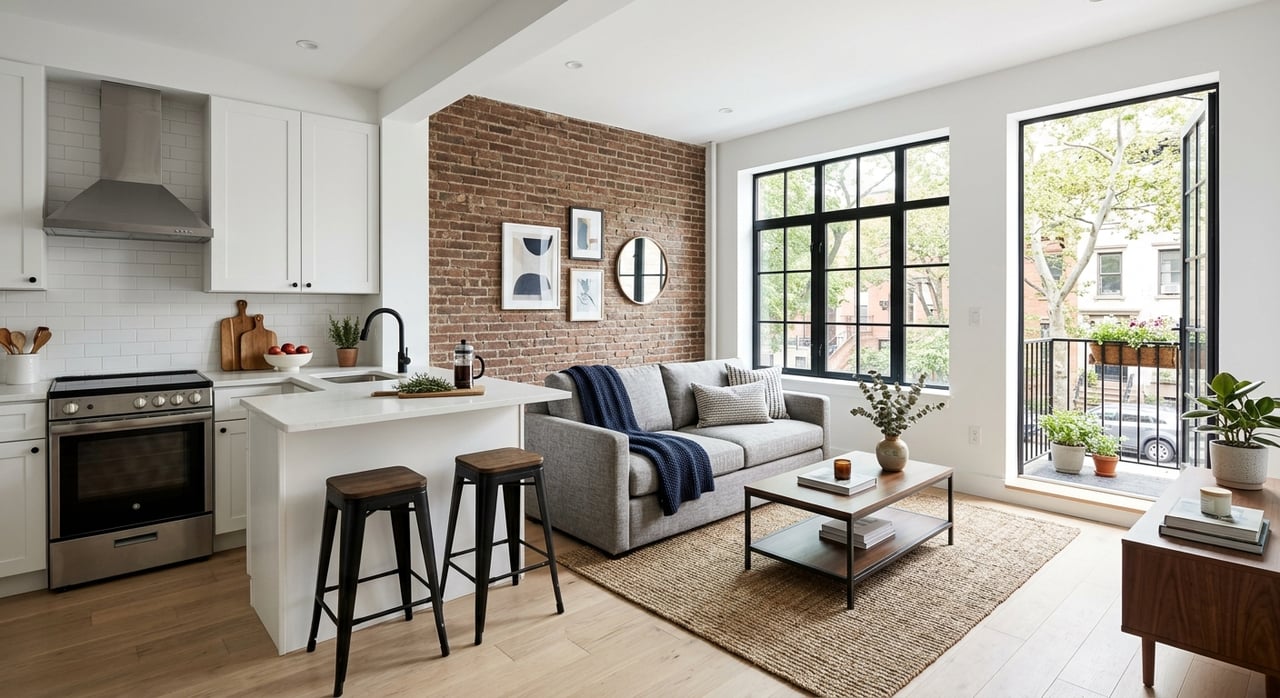
When buyers scroll photos or walk through in person, a few rooms tend to shape their impression of the home. NAR found that the living room, primary bedroom, and kitchen are the most important rooms to stage.
That is a useful guide for Old Town sellers, especially in smaller urban layouts. If your budget or time is limited, put your energy where buyers will focus first.
Prioritize these spaces
Living room
Keep sightlines open and furniture scaled to the room. Remove extra chairs, oversized shelving, and personal items that make the space feel busy.
Primary bedroom
Aim for calm and simple. Clear surfaces, crisp bedding, and balanced lighting help the room feel restful and larger.
Kitchen
Clear countertops as much as possible. Buyers want to see workspace, storage, and condition, not countertop clutter.
Make the condo camera-ready
Photos and video carry real weight in the condo market. In the same NAR staging report, buyers’ agents said photos, videos, physical staging, and virtual tours were all important to their clients.
That fits Old Town well, where many buyers begin online and compare multiple units quickly. Your condo needs to read clearly on a phone screen before a buyer ever books a showing.
Before photos are taken
- Open blinds and maximize natural light
- Remove pet items, cords, and countertop clutter
- Hide trash bins and bath products
- Straighten art and mirrors
- Use consistent, bright light in every room
- Clean floors and reflective surfaces
- Clear entryways, balconies, and storage areas that will be photographed
For a broker like Jimmy Styx, strong media is not an afterthought. It is part of how your listing story gets told, from first impression to showing request.
Be ready for buyer building questions
Even when your unit looks great, condo buyers usually want answers about the building itself. Being ready with clear, accurate information can help reduce hesitation and keep momentum strong.
Questions buyers may ask
- What is the current monthly assessment?
- Is there a current or upcoming special assessment?
- What is the reserve-fund status?
- Are any capital projects planned?
- Is there pending litigation involving the association?
- What insurance does the association provide?
- Are parking or storage rights included?
- Were prior alterations approved?
These are not unusual questions. They are part of a normal condo sale, and many are directly tied to Illinois resale disclosure requirements.
Highlight the Old Town lifestyle
A condo listing in Old Town should not stop at interior features. Buyers are often choosing the neighborhood experience along with the home, and Old Town’s urban appeal is part of the package.
The NAR generational trends data shows that buyers care about neighborhood quality, convenience, shopping access, entertainment, and walkability. When your listing presentation is organized and your marketing tells a clear story, those neighborhood strengths become easier for buyers to connect with.
Final checklist before you list
If you want a simple way to pull it all together, use this last review before your condo hits the market.
Old Town condo seller checklist
- Start prep 60 to 90 days before listing
- Request the full association resale package early
- Review assessments, reserves, and any special assessment history
- Gather building and unit-related approvals for past work
- Confirm parking, storage, and any limited common element details
- Fix visible cosmetic issues
- Declutter room by room
- Focus staging on the living room, primary bedroom, and kitchen
- Prepare the condo for professional photos and video
- Be ready to answer common buyer questions about the building
- Present the unit and the Old Town lifestyle clearly
Selling a condo in Old Town is part preparation, part presentation, and part problem prevention. When you get the documents in order, tighten up the condition, and tell the story of the home well, you give buyers more confidence from the start. If you are thinking about your next move and want a clear, low-pressure plan for your condo sale, connect with Jimmy Styx for guidance tailored to your Old Town property.
FAQs
What documents do you need to sell a condo in Old Town Chicago?
- You will generally want the declaration, bylaws, rules, budget, latest financials, reserve information, meeting minutes, assessment details, insurance summary, and any required resale disclosure materials from the association.
How early should you request HOA or condo association documents in Illinois?
- It is wise to request them 60 to 90 days before listing so you have time to review the package, clarify questions, and avoid delays.
What repairs matter most before listing an Old Town condo?
- The highest-impact items are usually visible cosmetic fixes such as paint touch-ups, caulking, lighting, window cleaning, cabinet or door adjustments, and general decluttering.
What do condo buyers ask about older Old Town buildings?
- Buyers often ask about assessments, reserves, special assessments, planned building projects, insurance, parking or storage rights, and whether prior alterations were approved.
Why does staging matter when selling a condo in Old Town Chicago?
- Staging helps buyers picture how the space works, and it can make smaller urban layouts feel brighter, more open, and easier to remember online and in person.