Thinking about leaving the city without giving up convenience, character, or everyday things to do? Woodstock gives you a different pace while still keeping Chicago within reach. If you are weighing housing costs, commute options, home styles, and what daily life really feels like, this guide will help you sort through the big-picture pros and practical details. Let’s dive in.
Why Woodstock Draws Attention
Woodstock is a city in McHenry County with an estimated 2024 population of 25,892, according to the U.S. Census QuickFacts. The city describes itself as about one hour northwest of Chicago along the Union Pacific/Metra commuter line, which helps explain why it appeals to both commuters and people looking for more room outside the city.
What makes Woodstock stand out is that it is not just a place people sleep and commute from. The city’s planning documents emphasize preserving the historic downtown, expanding housing options, and improving transportation, while also promoting Woodstock as an arts and tourism destination. That gives you a place with a real center of activity, not just a spread of subdivisions.
Woodstock Housing Costs at a Glance
If affordability is a big reason for your move, Woodstock is worth a serious look. The market data supports a balanced view: it is generally a lower-cost alternative to Chicago, especially for renters and many buyers, but it is not an ultra-cheap market.
According to Redfin’s Woodstock housing market data, the median sale price in Woodstock was $305,000 in February 2026, compared with $390,000 in Chicago. Redfin also reports a median price per square foot of $176 in Woodstock versus $293 in Chicago, which helps show the value difference in practical terms.
The Census QuickFacts profile for Woodstock adds another layer. It lists a 71.8% owner-occupied housing rate, a median owner-occupied value of $245,700, median monthly owner costs with a mortgage of $1,960, and median gross rent of $1,212.
ZIP-code data can look a little different. Redfin notes lower sale prices than Chicago, while Zillow data summarized in the research places Woodstock’s 60098 typical home value at $332,735 and Chicago’s at $317,283, reflecting a different mix of homes and measurement method. The takeaway is simple: Woodstock is best understood as a more affordable suburban or exurban option for many households, not a bargain-basement market.
What Types of Homes You’ll See
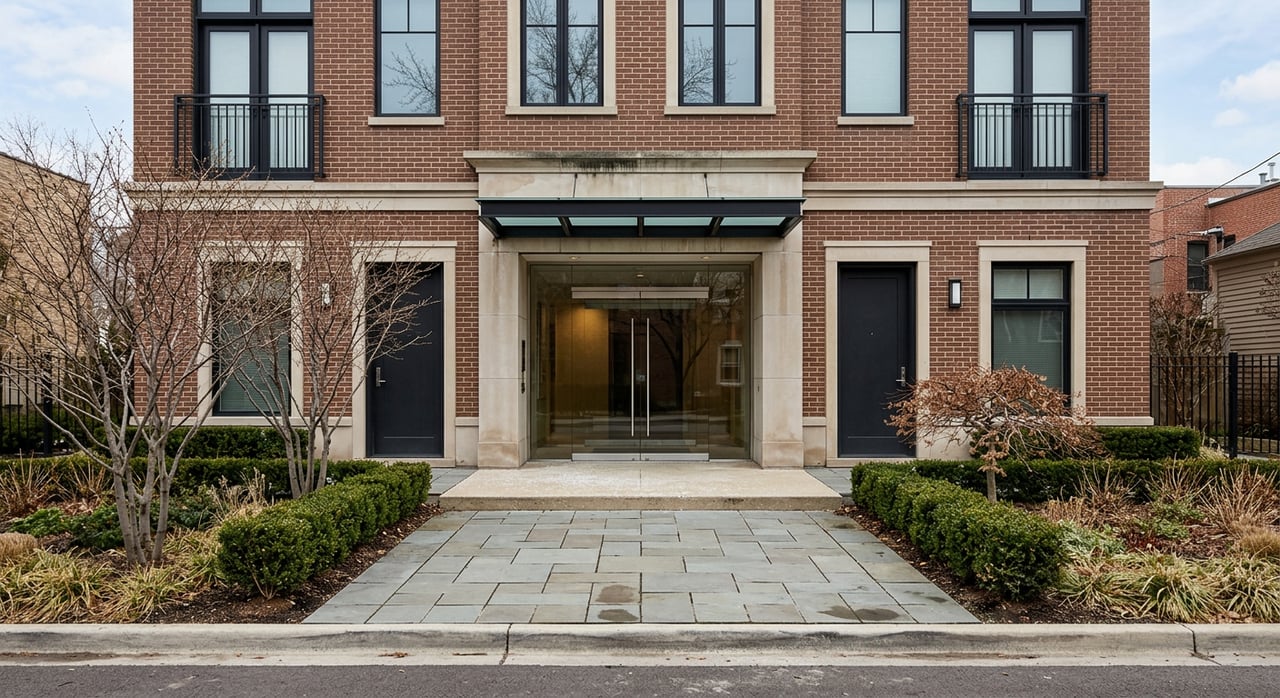
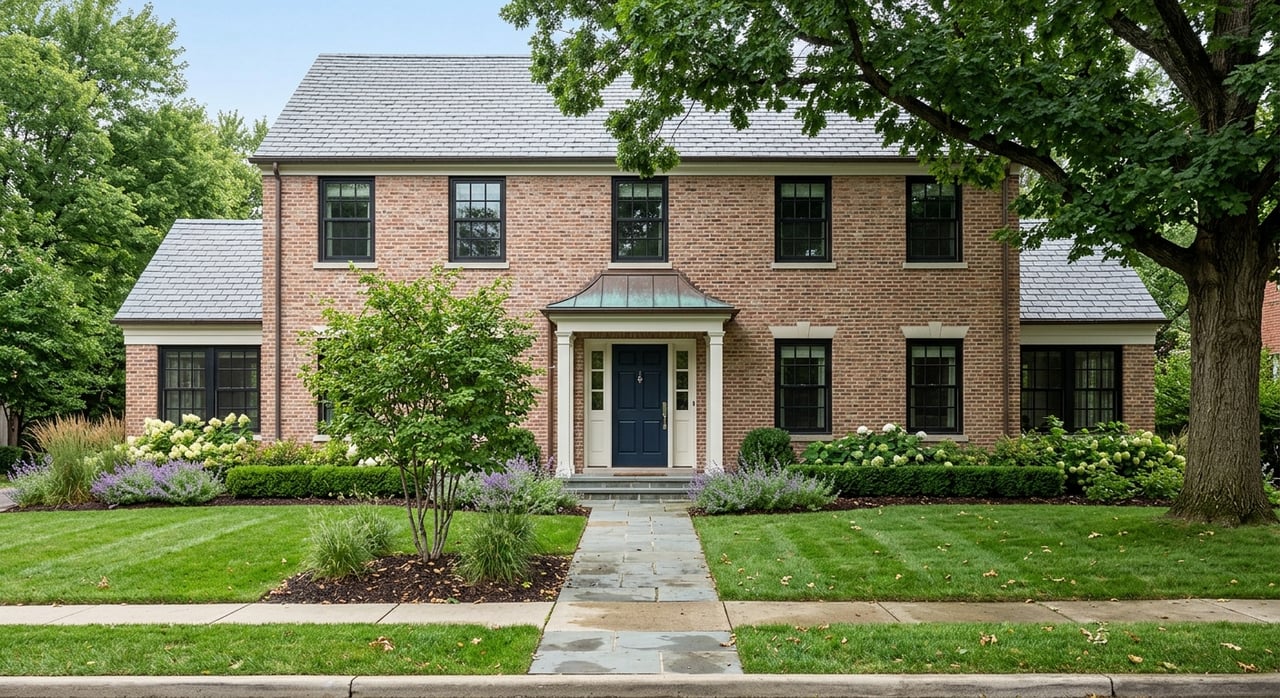
One of Woodstock’s biggest draws is visual character. The city’s design review guidelines identify a wide range of historic residential styles, including Folk Houses, Italianate, Second Empire, Queen Anne, Colonial Revival, Dutch Colonial, Craftsman, Prairie, Spanish Eclectic, and Tudor.
If you enjoy older homes with detail and history, this matters. The city notes that residential structures in the historic district are generally at least 50 years old, the oldest documented house dates to 1852, and Victorian homes are a common local example.
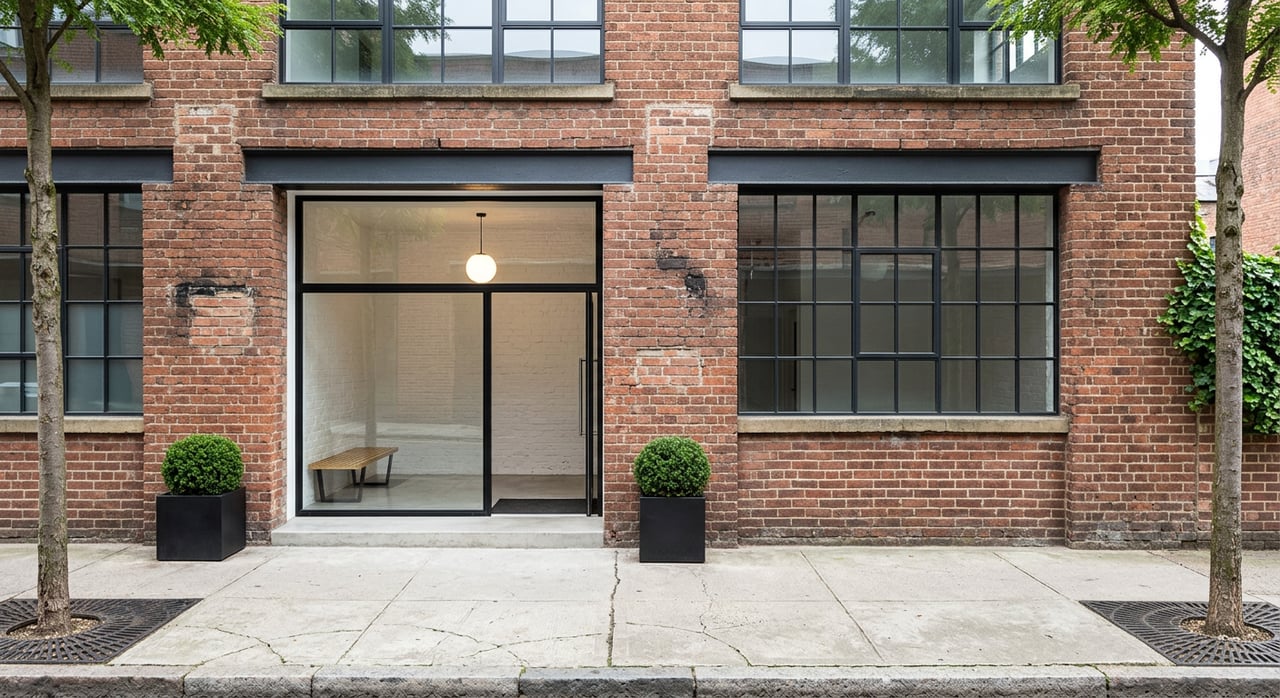
That does not mean every home in Woodstock is historic. The broader housing picture is more mixed, with a preserved historic core near the Square and additional infill and suburban-style housing in other parts of the city. Woodstock’s comprehensive plan supports both preserving historic character and encouraging more housing options over time.
Living Near the Square
For many buyers, downtown Woodstock is a major part of the appeal. The Square gives the city a true center, and that can shape your day-to-day routine more than you might expect.
The city provides free parking throughout the Square, which makes downtown errands, dining, and events easier to manage. Woodstock also hosts public events there throughout the year, and the Lighting of the Square helps launch the holiday season with shopping, dining, performances, and seasonal activities.
The Woodstock Opera House adds another layer to local life with concerts, performances, and rotating art exhibitions. If you want a town with a stronger sense of place and an active public core, this is one of Woodstock’s clearest lifestyle advantages.
Commute and Remote Work Practicality
If you still need access to Chicago, Woodstock offers a workable option. The city says Woodstock is about one hour northwest of Chicago on the Union Pacific/Metra line, and Metra identifies Woodstock station as part of the UP-NW line.
That makes Woodstock relevant for a few different lifestyles:
- Full-time commuters who need rail access
- Hybrid workers who go into Chicago only a few days a week
- Remote workers who want more space while staying connected to the metro area
For remote and hybrid households, the local tech basics are strong. Census data shows 94.5% of households have a broadband subscription and 97.2% have a computer, which is useful if your workday depends on reliable digital access. Woodstock also reports a mean travel time to work of 24.6 minutes, suggesting daily routines may feel more manageable than many people expect.
Does Woodstock Feel Like a Commuter Town?
In a word, no, not only. Woodstock has the transportation link that makes commuting possible, but its identity appears broader than that.
Based on the city’s own materials, Woodstock functions as both a destination town and a commuter-accessible community. The historic Square, Opera House, public events, and preservation focus all give it a stronger small-town center than a place built only around getting people in and out of Chicago.
That distinction matters when you are choosing where to live. If you want a town where you can enjoy your weekends close to home, not just leave from it every morning, Woodstock has a stronger case than many outer-ring communities.
Who Might Feel at Home in Woodstock
Woodstock can make sense for a range of buyers and renters, especially if you are trying to balance cost, space, and lifestyle.
You may want to look more closely at Woodstock if you are:
- Moving from Chicago and hoping to stretch your housing budget
- Looking for more interior space or a different home style
- Interested in older homes with architectural character
- Hoping for commuter rail access to the city
- Working remotely and wanting a community with strong household broadband adoption
- Drawn to a walkable downtown core with events and arts programming
Like any move, the right fit depends on your priorities. Some buyers will focus on the appeal of historic homes near the Square, while others will be more interested in newer housing and a quieter suburban routine.
Key Questions to Ask Before You Move
Before choosing Woodstock, it helps to narrow your decision around daily life, not just listing photos or headline prices.
Ask yourself:
- Do you want historic character, newer construction, or a mix?
- How often will you need to get into Chicago?
- Would living near the Square improve your lifestyle, or do you prefer more separation from downtown activity?
- Are you comparing Woodstock to the city mainly on monthly cost, total space, or both?
- Do you want a town with built-in events and cultural venues?
These questions can help you compare Woodstock more clearly against both Chicago neighborhoods and other suburban options. The best move is usually the one that matches how you actually live, not just what looks best on paper.
Final Thoughts on Moving to Woodstock
Woodstock offers a compelling middle ground if you want more space, a recognizable downtown, and access to Chicago without staying in the city full-time. Housing data suggests it is generally more affordable than Chicago on many measures, while the local lifestyle stands out for its historic architecture, active Square, free downtown parking, arts presence, and commuter rail connection.
If you are comparing city living with suburban or exurban options, Woodstock deserves a closer look. And if you want help thinking through how a move fits your budget, commute, and long-term goals, Jimmy Styx offers clear, low-pressure guidance to help you make the next step with confidence.
FAQs
Is Woodstock, Illinois cheaper than Chicago for housing?
- Generally, yes. Recent Redfin data shows a lower median sale price in Woodstock than Chicago, and Census data also shows lower owner-value and rent measures in Woodstock.
What kinds of homes are common in Woodstock, Illinois?
- Woodstock is known for historic housing styles such as Queen Anne, Craftsman, Tudor, Italianate, and Victorian homes, along with newer housing outside the historic core.
Is Woodstock, Illinois good for commuting to Chicago?
- Woodstock offers access to Chicago via the Union Pacific/Metra line, and the city describes it as about one hour northwest of Chicago.
Is Woodstock, Illinois practical for remote work?
- Yes. Census data shows high rates of household broadband subscription and computer access, which supports remote and hybrid work needs.
What is daily life like in downtown Woodstock, Illinois?
- Downtown Woodstock centers around the Square, where you will find free parking, public events, seasonal celebrations, and access to performances and exhibitions at the Woodstock Opera House.