Trying to decide between a full-amenity tower or a boutique loft in River North? You want walkability, quick commutes, and great spaces, but each building type changes your monthly costs, day-to-day experience, and resale path. In a few minutes, you’ll see the key differences in lifestyle, fees, financing, and due diligence so you can choose with confidence. Let’s dive in.
High-rise vs low-rise snapshot
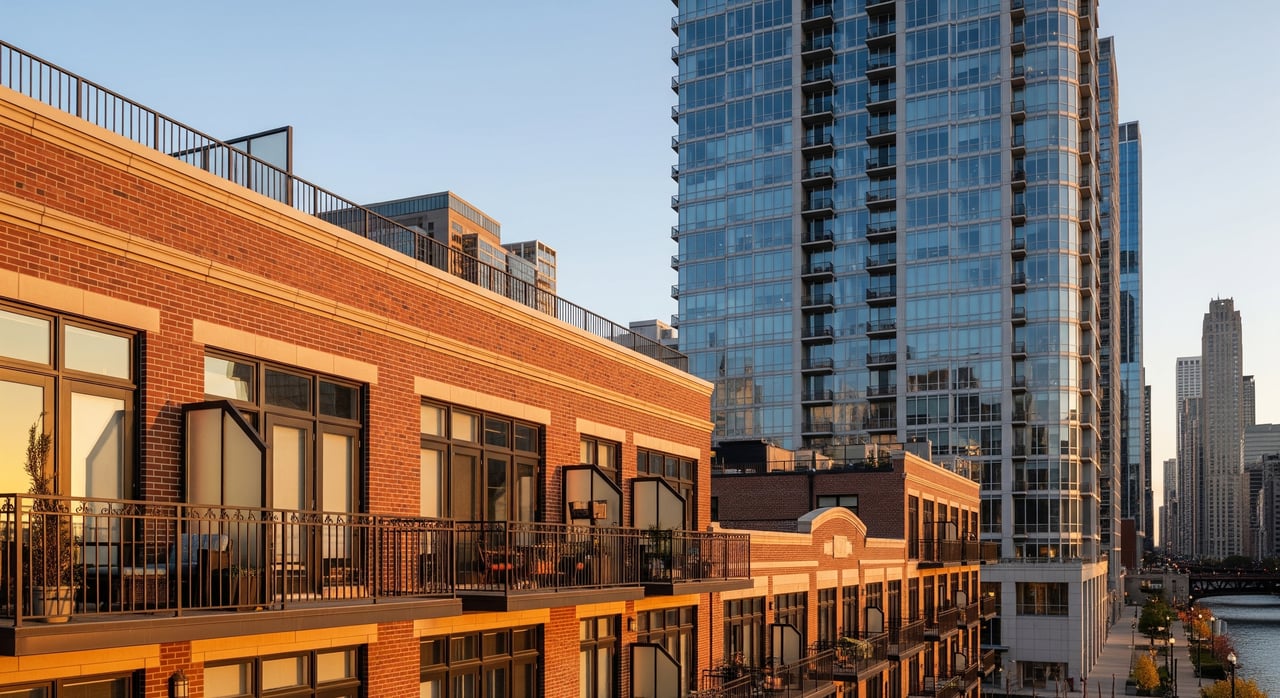
High-rise condos
- What you get: 24/7 door staff, fitness center, pool or rooftop, package rooms, on-site management, and secure garage parking.
- What it means: Higher monthly HOA dues and more building rules, with predictable maintenance handled by professional staff.
- Who it fits: You value convenience, security, and social amenities that match a busy urban schedule.
Boutique or low-rise condos
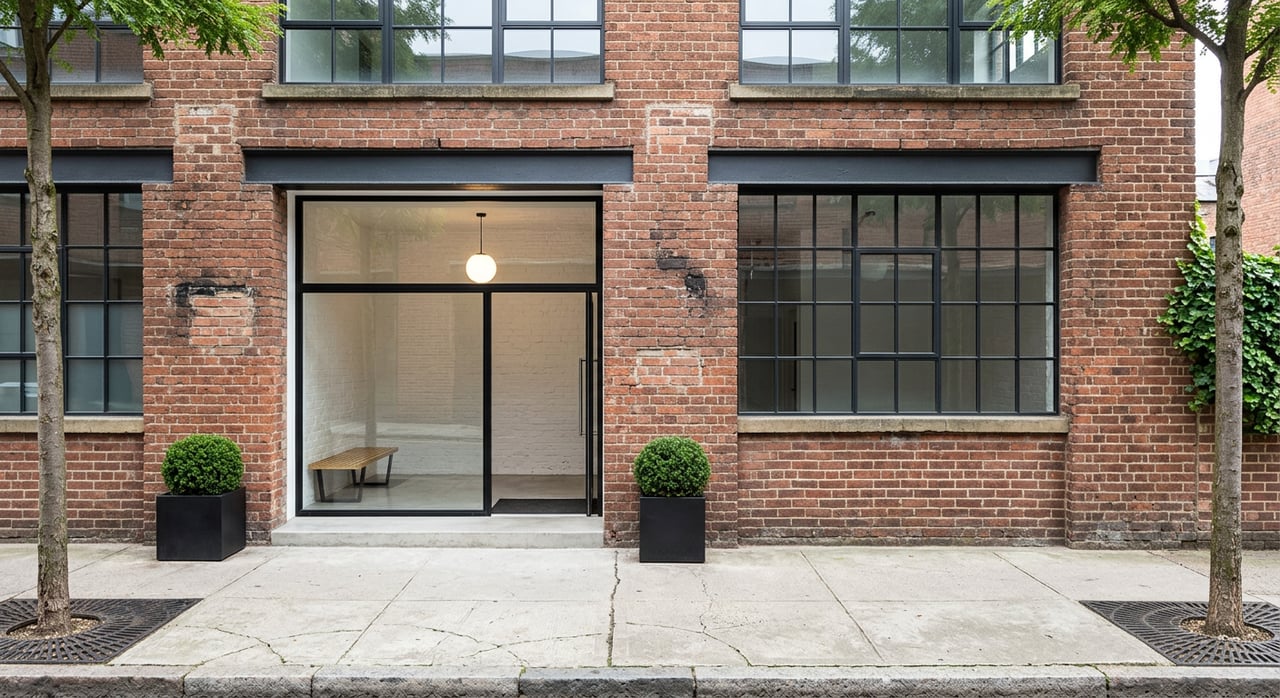
- What you get: Fewer units, limited amenities, and often more character such as loft ceilings or historic details.
- What it means: Typically lower dues, simpler operations, and a more intimate building culture, but reserves can be thinner and projects more impactful.
- Who it fits: You want personality, quieter common areas, and more autonomy without paying for a big amenity package.
What daily life feels like
Space and layout
- High-rise units often have efficient floor plans and, in newer towers, floor-to-ceiling glass.
- Boutique and loft units may offer taller ceilings and open layouts that maximize volume and character.
Light and views
- High-rises can deliver skyline or river views and more daylight on higher floors.
- Low-rises provide a street-level vibe and, in lofts, large windows at a more human scale.
Noise and privacy
- Upper floors in towers can reduce street noise, though corridor and elevator activity is part of the experience.
- Low-rises may feel calmer inside the building, but direct street noise can be more noticeable.
Costs you will actually pay
HOA dues and what they cover
- High-rises typically have higher monthly dues to support door staff, management, utilities like heat or water in some buildings, and amenity upkeep.
- Boutique buildings often have lower dues because there are fewer services. Some do not include utilities.
- Always review the current budget and reserve study to see what is covered and what is deferred.
Reserves and special assessments
- Any building can levy a special assessment to fund big projects like façade work, roof replacement, or elevator modernization.
- Older boutique buildings can face near-term projects if reserves are low. Predictable, higher dues in a high-rise may reflect steadier funding for those items.
Taxes and municipal items
- Property taxes are set at the Cook County level, and you pay taxes for your unit. Associations may also pass through special assessments for building needs when required.
Insurance
- Understand the master policy. Many associations carry a “bare walls” or “all-in” master policy. You will still need an HO-6 policy for interior finishes, personal property, and loss assessment coverage.
- High-rises tend to have larger, comprehensive master policies. Smaller buildings may require more robust unit-level coverage for interior systems.
Loanability and approvals
- Not every association is FHA or VA approved. Smaller boutique buildings and buildings with higher investor ratios or pending litigation may not qualify.
- Lenders review owner-occupancy levels, dues delinquencies, reserves, and litigation during underwriting. Confirm your loan type and the building’s eligibility early.
Lifestyle rules that matter
- Pet policies vary. High-rises may have breed or size limits, while some boutiques are more flexible. Confirm rules before you write an offer.
- Rental and short-term policies differ by association. Many River North buildings prohibit or tightly restrict short-term rentals. Check the declaration and rules.
- Package delivery and move-in windows are often more formal in towers. Boutiques may be simpler but have narrower delivery options.
River North location factors
- The neighborhood’s restaurants, nightlife, and galleries are a core draw for urban professionals. Walkability to the Loop and multiple CTA options make both building types commuter-friendly.
- Street-level energy is part of River North living. High floors in towers can limit late-night street noise. Low-rise units closer to busy corridors may experience more of it.
A smart due diligence checklist
Use this list to compare two buildings side by side before you commit.
Association documents
- Current budget and year-to-date financials
- Reserve study and reserve fund balance
- Last 12 months of meeting minutes
- Governing documents: declaration, bylaws, rules, and amendments
- Insurance certificate and master policy summary
- Estoppel letter, delinquency report, and any pending litigation disclosures
- FHA/VA approval status
Building condition
- Elevator age and modernization history (if applicable)
- Roof, façade, brick or tuckpointing, and major capital projects with dates and costs
- Mechanical systems: central vs in-unit HVAC, boiler and water heater age
- Water intrusion history and any pipe replacement records
- Garage condition and parking details (deeded, assigned, or rented)
- Balcony and terrace maintenance history
Financial and operational red flags
- Low reserves relative to projected replacements
- High dues delinquency rates
- Frequent special assessments in recent years
- Owner-occupancy levels that could affect loanability and resale
Lifestyle and rules
- Package and guest policies, move-in/move-out windows
- Renovation approvals and timelines
- Pet and rental rules, including short-term restrictions
- Amenity use fees and guest limits
Transaction and financing steps
- Confirm estoppel timing and fees
- Align lender documentation needs with the association’s ability to provide them
- Verify that your mortgage type works for the specific building
Resale and investment outlook
- High-rises often attract buyers who want turnkey living and full amenities. Reputation, amenity set, and management quality can drive faster resales.
- Boutique and loft buildings appeal to buyers who value character. Financing hurdles or narrow buyer pools can affect market time, but distinctive features can command a premium.
- In any building, thoughtful upgrades and staging help. In towers, finishes and the building’s status matter. In boutiques, architectural elements like exposed brick or tall ceilings can be the star.
How to compare two River North condos
Use this side-by-side framework when touring.
- Amenities: Doorman, fitness, pool, and rooftop vs limited common spaces.
- Monthly dues: Higher with more services vs typically lower with lean operations.
- Utilities: Included items vary. Confirm heat, water, and internet line items.
- Parking: Deeded or leased garage spaces vs limited or off-site options.
- Rules: Rental caps, pet limits, package policies, and short-term rules differ.
- Loanability: FHA/VA status, owner-occupancy levels, reserves, and any litigation.
- Risk profile: Predictable ongoing costs in high-rises vs potential project spikes in underfunded smaller buildings.
- Lifestyle fit: Social and service-forward vs intimate and character-forward.
Choose your best fit
If you want a staffed, set-it-and-forget-it lifestyle, a River North high-rise may be the better match. If you prefer lower dues, unique architecture, and a smaller community, a boutique or low-rise can be a great fit. Either way, the right choice starts with documents, data, and an on-the-ground read of the building’s culture and condition.
If you would like a guided, pressure-free comparison with walk-time maps, building docs, and a clear cost-of-ownership model, reach out to Jimmy Styx. We will tour both styles, read the financials together, and land on a plan that fits your life.
FAQs
What are typical HOA differences in River North towers vs boutiques?
- High-rises usually have higher dues to fund staff and amenities, while boutique buildings often have lower dues with fewer services and more variable project costs.
How do special assessments work in Chicago condos?
- Associations can levy special assessments to pay for major projects like façade work or elevator upgrades when reserves are insufficient; owners pay in installments or lump sums per the vote.
Can I use FHA or VA financing on a River North condo?
- Maybe. Eligibility depends on the association’s approval status and underwriting factors like owner-occupancy, reserves, delinquencies, and litigation.
Will a high-rise be quieter than a low-rise near nightlife?
- Often on higher floors, yes, because elevation reduces street noise. Low-rise units may experience more direct street-level sound depending on the block.
What documents should I request before making an offer?
- Ask for the budget, reserve study, meeting minutes, governing documents, insurance summary, estoppel, delinquency report, and any litigation disclosures.
Are short-term rentals allowed in River North condos?
- Many associations restrict or prohibit short-term rentals. Always check the declaration and rules to confirm what is allowed in that building.