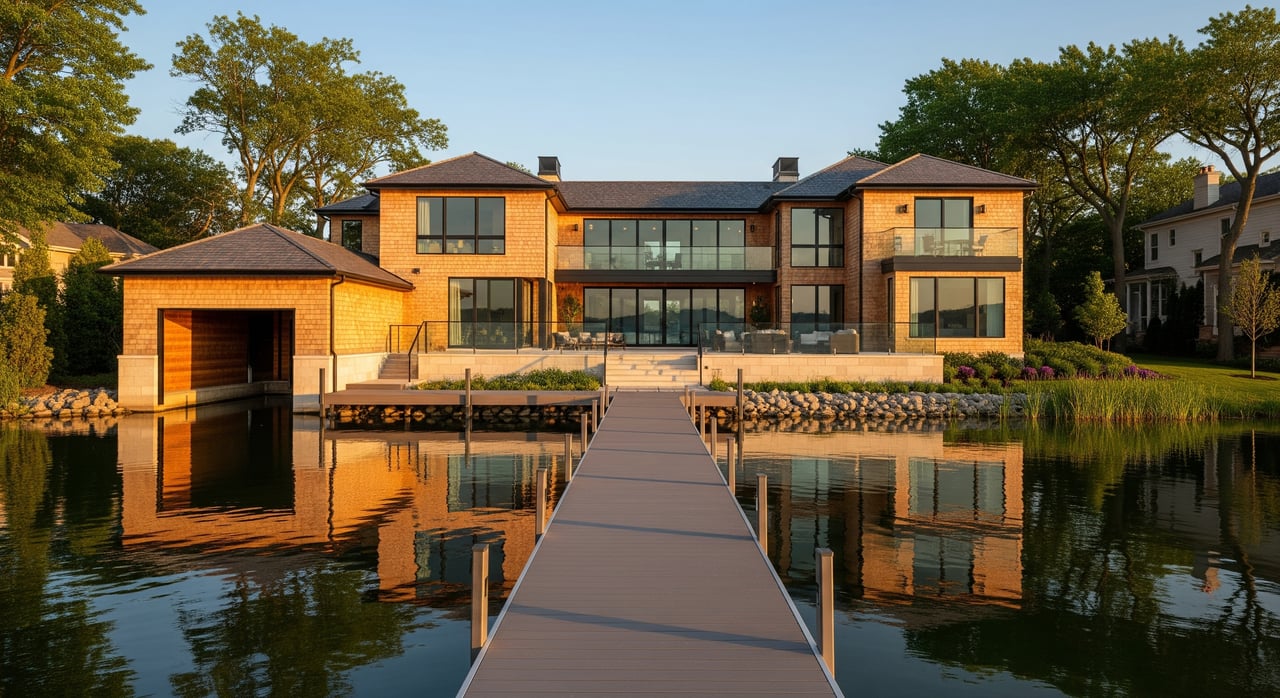
If you have a place on the water in Antioch, pricing it the same way you would a standard suburban home can leave money on the table or scare off the right buyers. Lake frontage, dock rights, channel access, and flood risk all change the math. You deserve a clear way to turn those shoreline features into a price you can explain and defend. This guide gives you a practical framework tailored to 60002 so you can set expectations, compare apples to apples, and move forward with confidence. Let’s dive in.
What drives lakefront value
Frontage and usability
More linear shoreline usually means better private access, more room for docks, and wider views. Buyers will pay for usable feet, not just lot lines. Firm, swimmable shoreline is worth more per foot than sloped or marshy edges. When you compare properties, focus on the usable frontage that supports your actual lifestyle on the water.
Access and dock rights
Direct, private frontage with immediate steps to the water typically commands a premium over deeded or association access. Confirm whether the dock and lift are legally permitted or recorded. If rights are unclear or unpermitted, the risk can reduce value and limit financing.
View and orientation
Wide, unobstructed views often raise buyer willingness to pay. Southern exposure can extend sunlight on the water and enhance the feel of the view. Narrower channel sight lines can still be attractive, especially if they frame the main channel, but they typically price below true main-lake panoramas when all else is equal.
Main-lake vs. channel location
Main-lake frontage often leads for boating freedom, open-water views, and water movement. Channel frontage can deliver calmer water, easier docking, and a quieter setting, which some families value. The premium between them depends on how buyers in 60002 plan to use the water and how easily they can navigate to the broader chain.
Water quality and shoreline condition
Clear, swimmable water supports value. Algae, weeds, or silting can reduce desirability. Shoreline structures matter too. Rip-rap, bulkheads, or seawalls can protect against erosion, but failing shoreline improvements signal future costs that buyers will price in.
Lot, topography, and buildable area
Larger, flatter lots with room for patios, garages, and usable yard space are typically more valuable. Setbacks, tree cover, and FEMA-related limits can narrow your buildable envelope. If expansion potential is important, factor that into comp adjustments.
Home condition and utility
On the water, setting can outweigh size. A well-renovated cottage on excellent frontage can outperform a bigger but dated home on inferior shoreline. Buyers often prioritize the total waterfront experience over square footage alone.
Flood, stormwater, and insurance
FEMA flood zones, community flood history, and flood insurance availability affect price and the buyer pool. Higher risk typically means higher carrying costs and more scrutiny from lenders and insurers.
Market timing and location
Antioch activity peaks in spring and summer when showings are strongest. Proximity to larger metro areas influences demand, and seasonality can impact how quickly a well-priced lakefront sells.
Comp selection that works in 60002
Start on the same water. The best comps are recent sales on the same lake and ideally the same shoreline segment. If you cannot find enough activity in the past 6 to 12 months, look to nearby channel or bay segments with similar frontage and use. Use active and pending listings as context for current competition, not as substitutes for sold comps.
If sales are thin, consider similar lakes in the same county or region with comparable size and recreational character. Expand your time window to 12 to 24 months only when necessary, and apply a time adjustment to reflect any market shifts. For cross-border context in the Antioch area, confirm parcel data on the appropriate side of the state line when reviewing Kenosha County activity.
Making smart adjustments
Prioritize what matters most
Work in a consistent order so you do not double-count value:
- Site and land: frontage length and usability, lot size, buildable area, orientation.
- Access and rights: private vs. shared access, recorded dock rights and permits, boat slips.
- Waterbody attributes: main-lake vs. channel, navigability, shoreline protection.
- Improvements: bulkheads, seawalls, docks, lifts, terraces.
- House: interior condition, beds and baths, gross living area, functional utility.
- Legal and regulatory: flood zone, septic vs. sewer, easements, HOA rules and fees.
- Market and time: sale date differences and local pricing trends.
Quantify with evidence
If you have enough sales with documented frontage, consider a dollars-per-front-foot adjustment. Where that data is thin, use percentage adjustments derived from paired sales. Published guidance shows waterfront features can shift value by low single digits to double-digit percentages depending on scarcity and desirability. Always tie your numbers back to local transactions.
Channel vs. main-lake logic
When comparing locations, ask:
- Can the same boat comfortably navigate from this property to the main lake?
- Are sightlines open or blocked by vegetation or structures?
- Does this spot support open-water boating and fishing, or mostly confined channel activities?
If you find paired sales that isolate the location difference, calculate the observed premium and apply something similar. If not, present a reasoned range and document the assumptions so buyers and sellers can see the logic.
Use a weighting model when data is thin
When comparable data cannot answer every question, use a simple weighted model to keep conversations grounded:
- Frontage usability and feet = 30
- Dock and boat rights = 20
- Orientation and view = 15
- Lot size and topography = 10
- House condition and utility = 15
- Regulatory, flood, and insurance impact = 10
Score each item from 0 to 100, multiply by the weight, and total the score. Map those totals to a conservative price range. This is a conversation tool, not a replacement for sold comps.
Data and permits to verify
Before you set a price or submit an offer, confirm the details that affect value and closeability:
- Property and tax records: lot area, shoreline footage, recorded easements, building permits, prior prices.
- MLS and sold data: sale prices, days on market, list-to-sale ratios, seller concessions.
- Flood maps: FEMA flood zone and base flood elevation for insurance and lending.
- Dock and shoreline rights: recorded agreements, permits, and any association rules.
- Septic, sewer, wells, and utilities: system type and condition can affect financing and price.
- Water quality history: algae, weeds, or dredging assessments can influence demand and costs.
- Insurance and lender issues: flood insurance availability and premiums.
- HOA or lake association fees: assessments for docks, roads, weed control, or dredging.
Step-by-step pricing method
Follow these steps to build a defensible range for an Antioch lakefront home:
Gather baseline facts. Measure frontage, document dock status and recorded rights, note water depth at the dock, shoreline improvements, flood zone, lot size, and interior condition.
Pull comps. Start with same-lake sales over the past 6 to 12 months. If needed, expand to similar lakes nearby with comparable recreational character.
Shortlist the best matches. Choose 3 to 6 comps that align with frontage, dock rights, orientation, and condition.
Adjust feature by feature. Lead with land and frontage, then access and dock rights, then orientation and view. Add adjustments for shoreline improvements and house condition. Complete with legal, regulatory, and time factors.
Reconcile into a price range. Present low, likely, and high outcomes based on the adjusted comps.
Cross-check with market signals. Use current list-to-sale ratios and days on market to refine your asking price or offer.
Document assumptions and unknowns. Note pending dock permits, septic age, or possible dredging assessments that could move value.
Quick checklist you can use
- Frontage: ____ ft, usable shoreline? Y/N
- Dock rights: recorded and permitted? Y/N; dock type: seasonal/permanent/lift
- Orientation: main-lake / channel / bay
- Water depth at dock: <3 ft / 3–6 ft / >6 ft
- Shoreline improvements: none / rip-rap / bulkhead / seawall
- Flood zone: FEMA zone ____
- Utilities: sewer or septic; well or public water
- Renovation level: original / partial / fully updated
- HOA or assessments: $____ per year; special fees? Y/N
- Algae or invasive history: Y/N
- Comps used: ______
Communicating a price range
Give clients a clear range with anchors they can understand:
- Market-floor: a conservative number after accounting for the biggest negatives such as flood risk, unclear dock rights, or obstructed views.
- Market-likely: a best estimate based on the strongest comparable adjustments.
- Market-ceiling: an optimistic outcome that requires a premium buyer and favorable conditions.
Pair the range with the top three features driving the gap. Be transparent about any open questions, such as pending permits or shoreline repairs. For properties with unusual rights, complex easements, or significant flood or foundation concerns, recommend hiring a licensed appraiser and a shoreline or structural engineer.
Buyer and seller takeaways
- Lead with frontage, access, orientation, and legal rights. These items drive most of the value and should be the first adjustments you make.
- Use the best comps available, then show your math. A clear adjustment path builds trust and reduces surprises during appraisal and underwriting.
- Price to the market, not the wish list. Seasonality and current list-to-sale ratios help you set an asking price that attracts qualified buyers without leaving value behind.
If you want a calm, data-forward conversation about your Antioch lakefront, reach out. I combine waterfront valuation frameworks with clear media storytelling to help your property stand out and sell with confidence. Connect with Jimmy Styx to get a tailored valuation and next steps.
FAQs
How do I price Antioch lakefront frontage by the foot?
- Some appraisers use dollars per front foot when enough sales report accurate frontage. If data is thin, switch to percentage or paired-sale adjustments and document the rationale.
What is the main-lake premium in 60002?
- There is no single number. Local paired sales should guide the premium. In many markets it ranges from low single digits to double-digit percentages depending on scarcity and buyer use.
Are docks and lifts always included in the sale?
- Not always. Rights may be recorded separately or controlled by permits and association rules. Verify recorded easements and permits before assigning value.
Will a flood zone designation stop a buyer from getting a loan?
- Not necessarily. Lenders often require flood insurance in higher-risk zones, which raises carrying costs and can reduce the buyer pool. That typically lowers price versus similar non-flood properties.
Should I prioritize a renovated house or better shoreline?
- Many waterfront buyers prioritize superior frontage and access over interior square footage. Compare the full package and adjust for both shoreline quality and interior condition before deciding.