Trying to choose between a condo and a townhome in Lincoln Park? You want walkable city living near parks, restaurants, and transit, but the right layout and monthly costs matter just as much. This guide helps you compare space, costs, parking, outdoor areas, and resale patterns with a simple decision path, an illustrative budget, and a practical tour checklist. Let’s dive in.
Lincoln Park at a glance
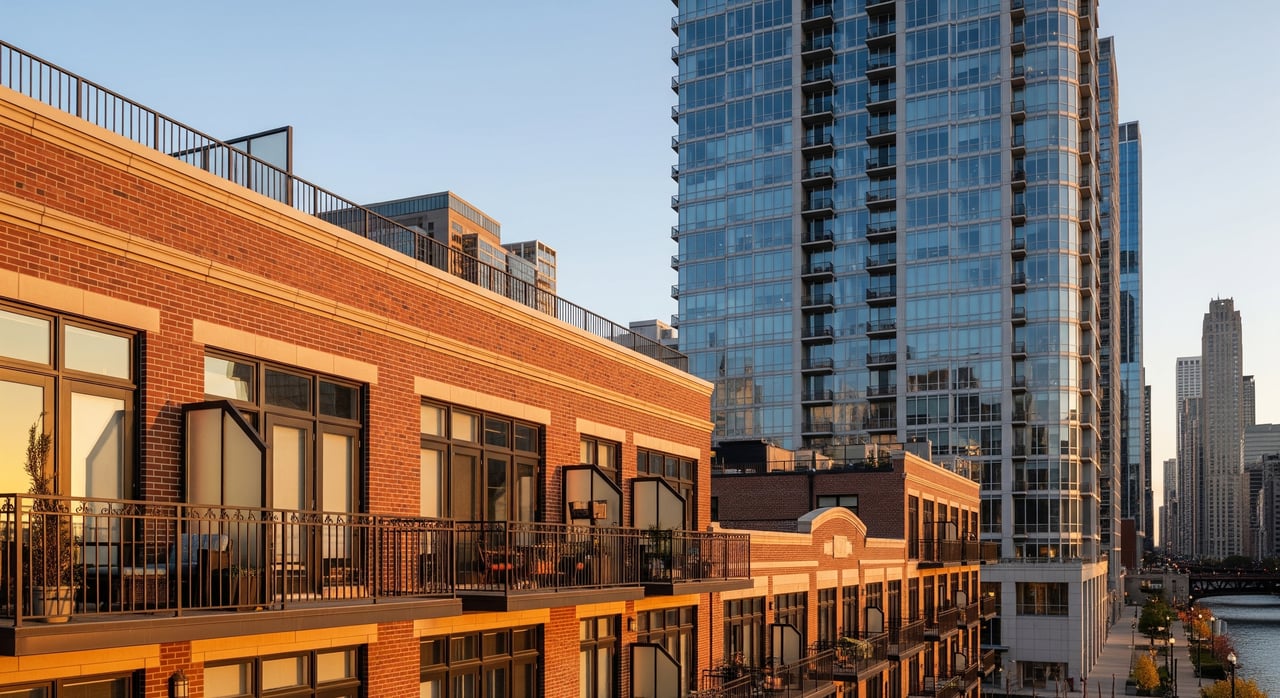
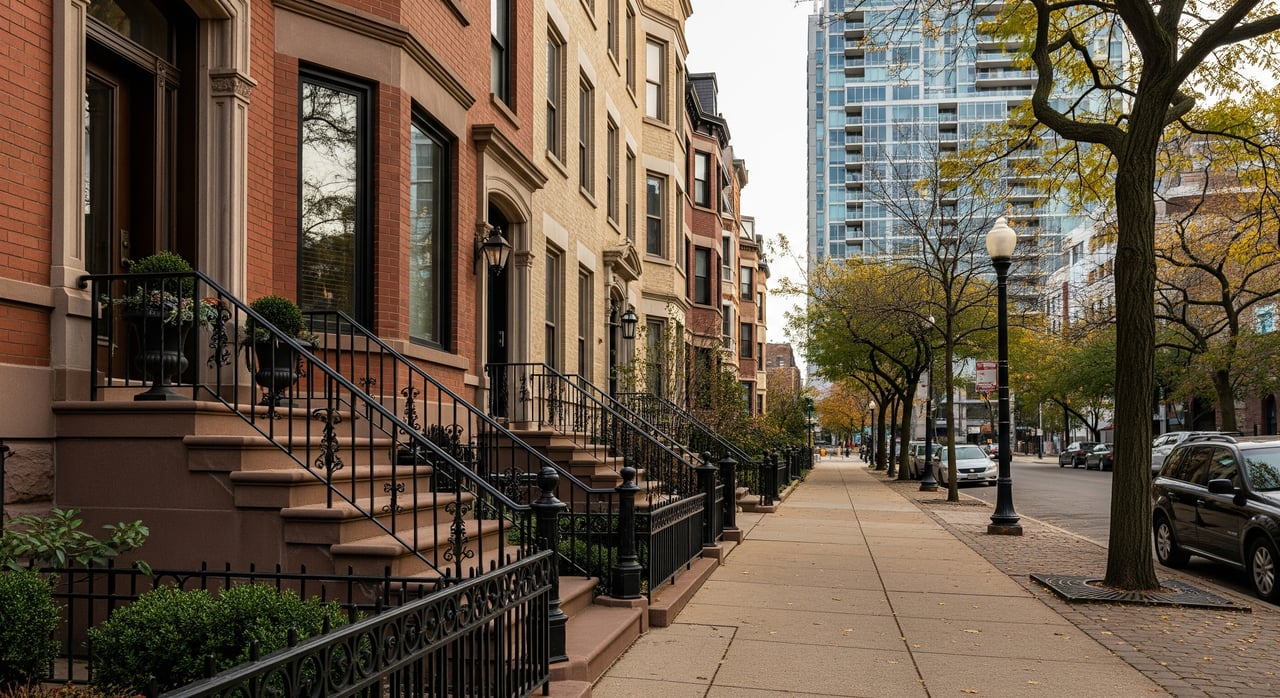
Lincoln Park offers urban convenience with access to the lakefront, the zoo, and one of Chicago’s largest park systems. You’ll find busy retail corridors and an influence from DePaul University that keeps the neighborhood lively. Housing spans mid- and high-rise condos, small walk-ups, and fee-simple townhomes and rowhouses. Condos are plentiful while townhomes are less common, which affects availability and pricing.
Condo vs. townhome: key differences
Space and layout
- Condos often deliver single-floor living, which many downsizers value. Layouts range from studios to multi-bedroom homes.
- Townhomes tend to be multi-level with more square footage, flexible rooms, and private entrances. Basements and private garages are common.
- If you want more bedrooms and defined living zones, a townhome usually offers more options.
Privacy and noise
- Condos share walls and ceilings with neighbors; noise varies by construction and unit placement.
- Townhomes offer more separation between living spaces and often feel more private.
- Visit at different times of day to gauge noise and foot traffic.
Storage and access
- Condos typically include in-unit storage plus an assigned locker or storage room.
- Townhomes often provide basement and garage storage, which can be a major advantage.
- If you prefer elevator access and single-floor convenience, a condo can fit your routine.
Monthly costs: HOA vs. maintenance
What condo dues usually cover
Condo HOA dues typically include some mix of building insurance (master policy), exterior maintenance, landscaping, snow removal for common areas, reserves, and any amenities. Dues vary based on building age and services. Always review the HOA budget, reserve study, recent meeting minutes, and any special assessment history.
What townhome owners pay directly
Fee-simple townhomes may have little or no HOA. You’re usually responsible for exterior maintenance, roofing, yard care, snow removal, and a full homeowner’s insurance policy. Costs are irregular year to year, so planning and reserves matter.
Compare total monthly cost
To make an apples-to-apples decision, compare the full picture:
- Total monthly housing cost = Mortgage principal and interest + Property taxes + Homeowner’s insurance + HOA dues (condo) OR a maintenance reserve (townhome) + Utilities + Parking/garage fees.
- For fee-simple properties, a conservative example budgeting rule is to set aside about 1% of the purchase price per year as a maintenance reserve, then divide by 12 for a monthly estimate. This is a method, not a guarantee.
Parking, transit, and storage
- Condos can include deeded indoor garage spaces, tandem spots, valet, or no parking at all. Deeded spaces typically add value and convenience.
- Many Lincoln Park townhomes include private garages or driveways and may offer alley access. Parking can be a premium in this neighborhood.
- The neighborhood has CTA buses and nearby L stations. On-street permit parking and rules vary by block, so verify specific requirements.
Outdoor space and green access
- Condos commonly offer balconies and sometimes shared rooftop terraces. Building rules can limit changes or grill use, so check bylaws.
- Townhomes often include private yards, courtyards, or roof decks that give you more control and privacy.
- If a roof deck is a must, confirm it is legal and permitted, and review any association or city limits on structural changes.
Maintenance, risk, and insurance
- Condo owners typically carry an HO-6 policy that covers walls-in, while the association’s master policy covers common elements and sometimes the exterior. Coverage varies, so review how the master policy and your policy interact.
- Special assessments are a risk if reserves are low or a major capital project arises.
- Townhome owners generally carry an HO-3 policy covering the full structure. Budget for repairs to roofing, siding, and systems. Predictable planning and an emergency fund help smooth out big-ticket years.
- Lenders review condo HOA health and may require project approvals. Fee-simple townhomes are usually treated like single-family homes for underwriting.
Resale patterns and liquidity
- Condos have higher transaction volume and often a broader buyer pool, which can improve liquidity when you sell.
- Townhomes are scarcer in Lincoln Park and often command a premium for space and private garages or yards. Scarcity can support price stability, though the buyer pool is narrower.
- For both types, value is driven by location on the block, condition, outdoor space, parking, and functional floor plans. Deeded garage parking or a private yard typically boosts appeal.
- Days on market and pricing trends change seasonally. Use current MLS data and recent comparable sales to understand today’s conditions.
How to decide: a simple path
- List your top priorities: bedroom count, private outdoor space, garage parking, single-level living, low maintenance, and resale goals.
- Set your monthly housing budget and get pre-qualified with a lender.
- Choose your maintenance comfort level: shared responsibility and predictable dues (condo) or more control with hands-on planning (townhome).
- Compare total monthly costs using the full formula, and review HOA reserves, dues, and rules.
- Check current sold comps and recent market data for your specific block or building.
Example budgets (illustrative only)
These numbers are examples to show method, not predictions. Always use current quotes, taxes, and HOA documents for accuracy.
- Condo example: Purchase price $650,000, with hypothetical HOA dues of $400 per month. Property taxes and homeowner’s insurance vary by assessed value and policy.
- Townhome example: Purchase price $850,000. Using a sample maintenance reserve method of 1% per year, you would set aside about $850,000 × 0.01 ÷ 12 ≈ $708 per month. Actual maintenance varies by age and condition.
- Your total monthly outlay depends on the mortgage rate, property taxes, HOA dues or maintenance reserve, insurance, utilities, and any parking fees. Small changes in rate or dues can shift the answer.
What to review before you offer
For condos
- HOA budget, reserve study, and meeting minutes from the last 12 to 24 months.
- Bylaws and rules, master insurance policy, litigation disclosures, and special assessment history.
- Parking details, including assignment or deeded status, plus rental or occupancy restrictions that can affect financing.
For townhomes
- Deed and legal description, recent inspection reports, and receipts for major system maintenance.
- Any shared maintenance agreements for alleyways or driveways, plus HOA documents if an association exists.
Tour checklist: condos and townhomes
- Structural and exterior: roof condition, signs of water infiltration, window and door condition, foundation or wall cracks.
- Mechanical systems: age and condition of HVAC, water heater, electrical panel capacity, and plumbing performance.
- Interior livability: floor plan flow, storage, closet space, natural light, and noise between units.
- Outdoor areas: balcony integrity, deck waterproofing, yard drainage, and fence condition.
- Parking and access: verify deeded garage spaces, alley condition, and distance to CTA bus or train stops.
- Safety and compliance: smoke and CO detectors, radon testing as needed, legal egress in bedrooms, and permits for past renovations.
- Condo-specific: common areas, laundry, bike storage, elevator condition, and service levels.
- Townhome-specific: basement moisture and mold checks, chimney and roof inspection, downspouts and grading.
Local due diligence
- Check Cook County Assessor and Recorder records for tax history and deed details.
- Review the Illinois Condominium Property Act for governance basics and owner rights.
- Look up Chicago Department of Buildings or 311 for permit records and code issues.
- Confirm residential parking rules with the Chicago Department of Transportation.
- Use current Chicago Association of REALTORS and MLS reports for local metrics and recent comps.
- Ask your lender about current condo project approval requirements.
Bottom line for Lincoln Park buyers
If you want single-level convenience and low day-to-day upkeep, a condo can be a great fit. If you want more space, privacy, and control over your home, a townhome may be worth the premium. Your best choice hinges on how you live, what you can comfortably budget each month, and how you weigh resale and liquidity.
If you want a calm, guided process and block-by-block advice, connect with Jimmy Styx. You’ll get neighborhood expertise, clear cost comparisons, and a plan that fits your timeline and lifestyle.
FAQs
What are the main differences between Lincoln Park condos and townhomes?
- Condos emphasize single-level convenience and shared maintenance, while townhomes offer multi-level layouts, more private space, and owner-controlled exterior upkeep.
How should I compare monthly costs in Lincoln Park?
- Use a total cost formula that includes mortgage, taxes, insurance, HOA dues for condos or a maintenance reserve for townhomes, plus utilities and any parking fees.
Do Lincoln Park condos usually include parking?
- Parking varies by building and can be deeded, assigned, or absent; verify whether a space is included, deeded, or leased before you offer.
Are townhomes more expensive to maintain than condos?
- Townhomes shift more exterior costs to you; using an example reserve of about 1% of purchase price per year is a conservative planning tool, but actual costs depend on age and condition.
How do HOA reserves affect a Lincoln Park condo purchase?
- Strong reserves can reduce the risk of special assessments and help with lender approvals; always review the budget, reserve study, minutes, and assessment history.
Which has better resale in Lincoln Park: condo or townhome?
- Condos often have broader buyer pools and higher liquidity, while townhomes are scarcer and may command premiums for space and private features; check current comps for your block.