Do you love the character of a vintage East Lakeview condo but worry about surprise repairs and rising HOA dues? You are not alone. Owning in a pre‑war building can be rewarding if you understand the systems, budgets, and maintenance that keep these homes running well. In this guide you will learn what to expect from boilers, windows, masonry, and HOA finances, plus a clear checklist to use before you buy or start a renovation. Let’s dive in.
What “vintage” means in East Lakeview
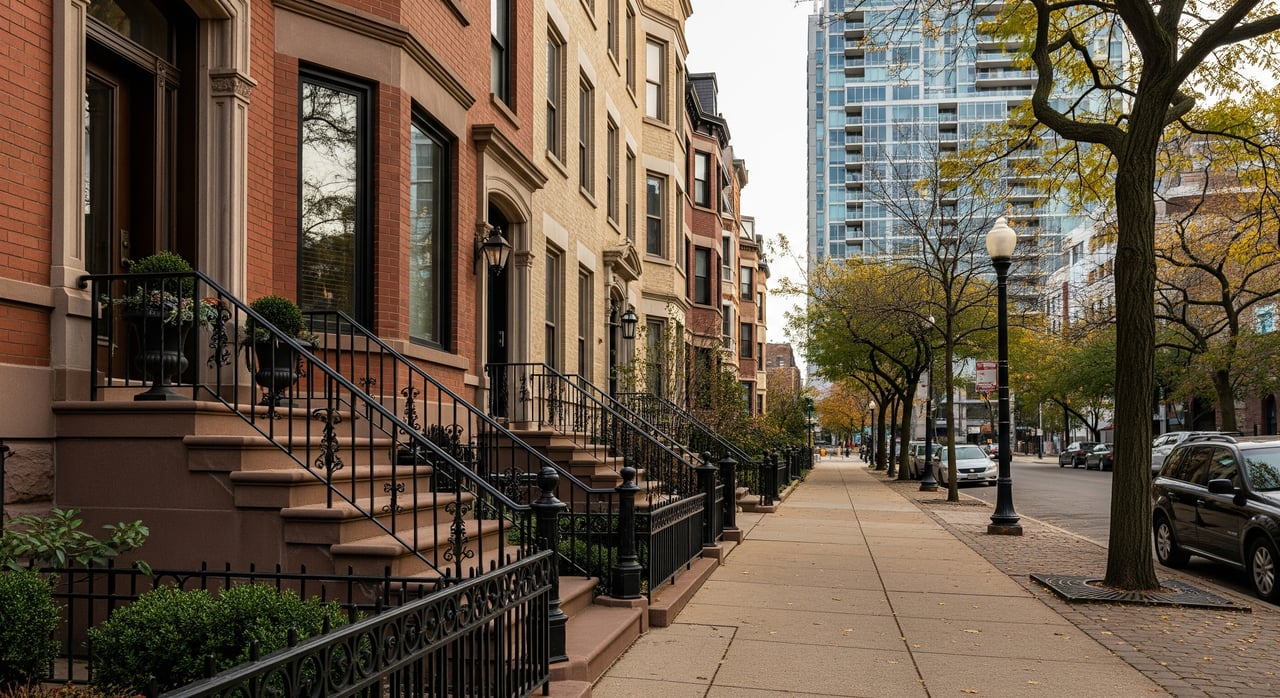
Most vintage East Lakeview buildings were built before 1940. You will see brick facades with masonry details, central boiler heat with radiators, and original or historic‑era windows. Many also have cast‑iron plumbing stacks and flat roofs. Some buildings have been fully modernized while others still rely on older mechanicals. That mix is normal here and it is why careful review of each building matters.
Heating: boilers and radiators
Central steam or hot‑water boilers are common. Heat is delivered to each unit by radiators, and costs are allocated by the condo documents. These systems can last, but they need routine care. Air vents must work, piping should be properly pitched, and basement traps should function.
A boiler overhaul or replacement is a major capital project. If reserves are thin, it often triggers a special assessment. Ask for the boiler’s age, make, service records, and any emergency repair history. Uneven heat, frequent bleeding, or noisy pipes can hint at deferred maintenance.
Windows: charm, drafts, and options
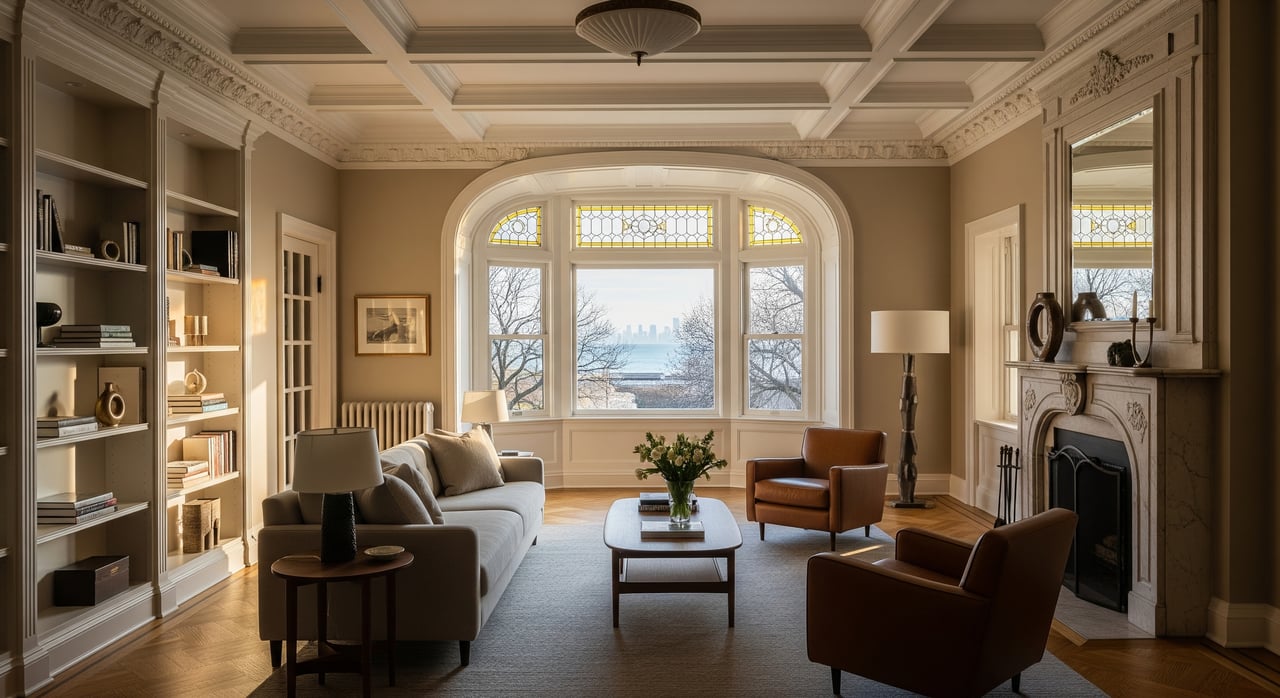
Original wood or steel single‑pane windows add character but are less efficient. Expect drafts, condensation, and wear at sills and glazing putty if maintenance lagged. Common upgrade paths include restoration with weatherstripping and storms, retrofitting insulated historic‑style sashes, or full replacement with sympathetic double‑glazed units. Exterior replacement can require permits in Chicago, and landmarked properties need extra review. Always confirm your association’s window policy before planning work.
Masonry and tuckpointing
Chicago’s freeze‑thaw cycles take a toll on brick and mortar. Over time, mortar washes out and bricks can spall or crack. Lintels, cornices, parapet walls, and flashing are frequent trouble spots. In East Lakeview, repointing cycles often run 15 to 30 years depending on exposure and prior work.
Quality matters more than speed. Mortar should match historic materials to avoid damage, and contractors should be experienced with older masonry. Exterior work such as tuckpointing, roof replacement, and cornice repair requires city permits. Landmark status adds an extra layer of approvals.
Roofs and drainage
Many vintage buildings have flat roofs with membranes or built‑up systems. Lifespans vary widely, often 10 to 25 years or more depending on material and care. Leaks often come from failed flashing, clogged drains, or poor parapet detailing. Gutters, downspouts, roof membrane condition, and parapet flashing are the first places to check if you see interior staining.
Plumbing: cast‑iron stacks and supply lines
Cast‑iron waste and soil stacks are common. They can last, but age brings corrosion, leaks, and blockages that spread damage across multiple units. Lining or replacement may be needed as the building ages. Water supply lines may be copper or older galvanized, and galvanized has known lifespan and water quality issues. Shared plumbing stacks are often an association responsibility, while in‑unit fixtures and finishes are typically the owner’s. Confirm the exact split in the declaration.
Electrical and older materials
Many condos have updated electrical, but some common areas or units still carry older panels with limited capacity. Heavy appliance loads can expose limits. In very old or minimally renovated spaces, you might still find older wiring types. Pre‑1978 buildings may also have lead‑based paint, and some older pipe insulation or plaster can contain asbestos. Plan any renovation in line with local regulations and your association’s rules.
How the HOA drives your costs
The association’s governance and finances shape your out‑of‑pocket costs more than any single feature. Review these documents before you buy or budget:
- Declaration, Bylaws, and Rules. These define who maintains what, how costs are allocated, and the approval process for projects.
- Budget, financials, and reserve study. A current reserve study is the clearest view of future capital needs and timing.
- Meeting minutes for 3 to 5 years. Minutes reveal deferred issues, planned projects, and prior special assessments.
- Master insurance. Confirm coverage type, limits, deductibles, and whether owners can be charged back for certain deductibles.
Healthy reserves reduce the risk of special assessments. Thin reserves, repeated water intrusions, or minutes full of leak repairs and delays are warning signs. Also ask whether the building faces any code violations, litigation, or upcoming façade requirements. Mid‑rise buildings may be subject to Chicago’s façade inspection program; most low‑rise walkups are not, but it is worth confirming.
Due diligence: your quick checklist
Use this list before you make an offer or plan a major project.
Documents to request:
- Declaration, Bylaws, and Rules
- Current budget, last 3 years’ budgets, and YTD financials
- Reserve study and current reserve balance
- Meeting minutes for the past 3 to 5 years
- Master insurance policy details, including deductibles and coverage scope
- Assessment history and any pending or planned special assessments
- Maintenance logs and service contracts for boilers, elevators if any, and roof
- Engineering or contractor reports on masonry, roof, or structure from the last 5 to 10 years
- Permits for major work over the past decade
Practical inspection items:
- Boiler age, make, maintenance records, and emergency repair history
- Radiator leaks, air vents, heating balance
- Roof membrane, flashing, and signs of ponding or chronic patching
- Masonry spalling, mortar condition, cornice or parapet issues
- Window operation, sill rot, storm window condition, signs of water entry
- Interior ceilings and walls for past or active water stains
- Plumbing stacks and basement piping for corrosion or leaks
- Electrical panel capacity and visible upgrades
Questions for the board or manager:
- Do you have a current reserve study and what is the reserve balance?
- What capital projects are planned in the next 1 to 5 years and how will they be funded?
- Any special assessments in the past 5 years and why?
- Age and service history for the boiler, roof, and main stacks?
- Any recent masonry, cornice, or façade repairs and were permits pulled?
- Is the building subject to façade inspection requirements or landmark review?
- What does the master insurance cover and how are deductibles handled?
- Any open code violations, lawsuits, or pending claims?
- What is the policy on windows, in‑unit renovations, and contractors?
Budgeting: plan for the long view
Start with the reserve study and current reserve balance. This helps you gauge whether dues are likely to rise and whether special assessments are probable. Factor in unit‑level projects like window restoration or replacement and kitchen or bath updates, especially if stacks are nearing replacement.
For buyers, ask for a 12 to 24 month project forecast if available. For owners, confirm the approval process for any renovation, required permits, and whether your work will touch common elements. Energy inefficiency in original windows and older heating systems can raise monthly costs, so include that in your budget.
Red flags to watch
- No reserve study and low or zero reserve balance
- Repeated or large special assessments in recent years
- Multiple water intrusions or chronic leak repairs without lasting fixes
- Major repairs with poor documentation or no permits
- Insurance with high deductibles and no sewer backup coverage where exposure exists
- Missing financial records or boards that cannot answer basic questions
Renovation tips for vintage condos
- Get written approval from the association before you change anything that affects common elements, including windows.
- Confirm whether permits are required for your scope. Exterior work and structural changes in Chicago require permits, and landmark buildings need extra approvals.
- Plan for safe handling of lead‑based paint or asbestos if present. Follow local and state rules.
- Ask contractors about the extent of deterioration, recommended scope, compatible materials for masonry, permits, and expected useful life of the repair.
Your next step in East Lakeview
Vintage East Lakeview condos offer charm and solid construction, but smart ownership depends on clear documents, realistic budgets, and timely maintenance. If you want guidance on what to request from a board, how to interpret big‑ticket items like boilers and tuckpointing, or how to plan your move, reach out. You will get a calm, clear plan that fits your goals.
Ready to talk through a specific building or list your condo with thoughtful media and market reach? Connect with Jimmy Styx for buyer and seller representation, a comparative market analysis, or to book an appointment.
FAQs
What is a typical tuckpointing cycle for East Lakeview vintage buildings?
- Many buildings need repointing every 15 to 30 years, depending on exposure and the quality of prior work.
How do central boilers affect my HOA costs in a vintage condo?
- Boiler overhauls or replacements are major capital projects and, if reserves are low, often lead to special assessments; review the reserve study and reserve balance.
What documents should I review before buying in a vintage East Lakeview condo?
- Ask for the declaration, bylaws, rules, current and recent budgets, reserve study and balance, 3 to 5 years of meeting minutes, master insurance details, assessment history, and recent permits.
Are window replacements allowed in vintage buildings in Chicago?
- Many associations allow them with approval, but exterior window work often requires a city permit and landmark review if applicable; restoration or historically sympathetic replacements are common paths.
What insurance do I need as a unit owner in a vintage condo?
- Most owners carry an HO‑6 for interior finishes and liability; the master policy covers common elements per the declaration, and you should confirm deductibles and sewer backup coverage.
Does Chicago’s façade inspection program apply to my East Lakeview building?
- Verify with the association or manager; most low‑rise walkups are not covered, while some mid‑rise buildings may be subject to periodic façade inspections.