Thinking about trading Chicago's fast pace for more space by the lake? That move can feel exciting and a little hard to picture at the same time. If Lake Forest is on your radar, it helps to know what daily life really looks like before you make the jump. This guide walks you through the commute, housing, routines, and lifestyle shifts that come with making Lake Forest home. Let’s dive in.
Why Lake Forest Feels Different
Lake Forest sits on Lake Michigan about 30 miles north of downtown Chicago in Lake County. That distance shapes the rhythm of daily life in a real way. You still have access to Chicago, but your routine starts to feel more suburban, with more space between destinations and more planning built into the day.
At the same time, Lake Forest is not just endless sprawl. The city has a concentrated core around Market Square and the commuter station, which gives part of town a more connected feel. That balance is part of what draws many buyers who want a change of pace without giving up regional access.
Commute Changes to Expect
If you are moving from the city, the commute may be one of the biggest adjustments. Lake Forest is served by Metra’s Milwaukee District North line, with scheduled departures such as 6:11 a.m., 7:20 a.m., and 9:20 a.m., and arrivals at Chicago Union Station roughly an hour later on those runs.
That means the train is a real option, but it usually works best when you plan around the schedule. In many Chicago neighborhoods, transit can feel frequent and flexible. In Lake Forest, commuting often becomes more deliberate, with attention to departure times, station access, and parking.
Driving also plays a major role. City documents note that Route 41 connects into the Edens and Kennedy corridor, while Waukegan Road supports other employment and commercial routes. For many households, that means errands, activities, and some work trips will likely involve the car more often than they did in the city.
Walkability Is Strongest Near Downtown
One of the more appealing parts of Lake Forest is that the town center offers a more walkable experience than the broader suburban pattern might suggest. The city has invested in pedestrian amenities in the central business district, which supports a more comfortable downtown routine.
If you live near the core, you may find it easier to combine a coffee run, a train trip, and a quick errand in one area. If you live farther out, you may still spend more time driving between destinations. That is one of the key tradeoffs in the move from city living to a suburb like Lake Forest.
Housing in Lake Forest Has Range
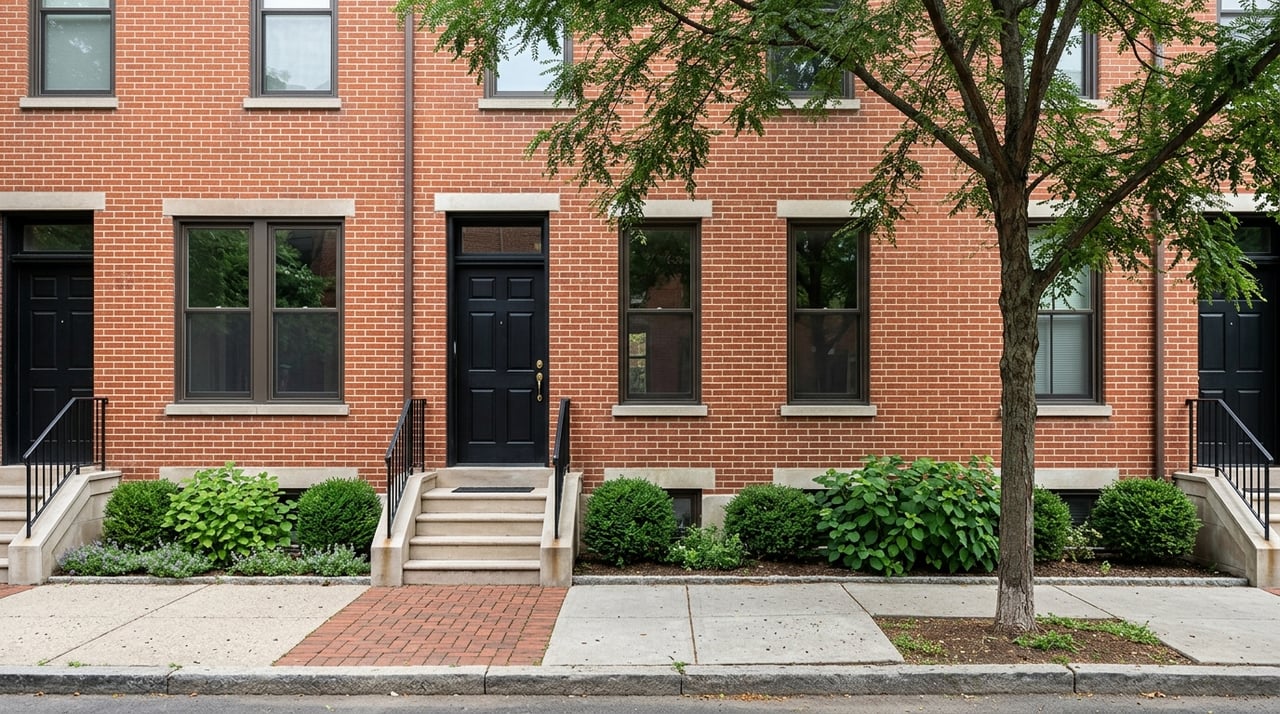
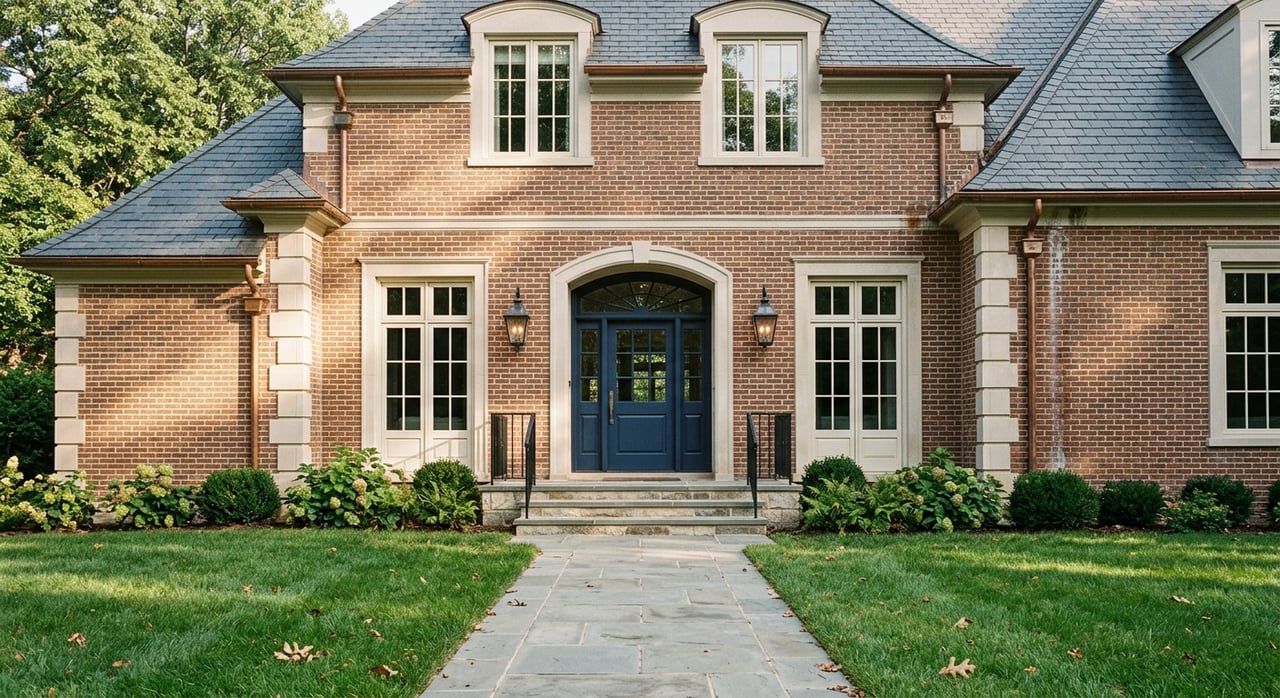
Many buyers picture Lake Forest as only large historic homes, but the housing story is broader than that. City materials describe a mix that includes single-family residences dating back to 1846, estate homes tied to the area’s earlier summer-home history, and newer central business district projects with apartments, condominiums, and single-family homes.
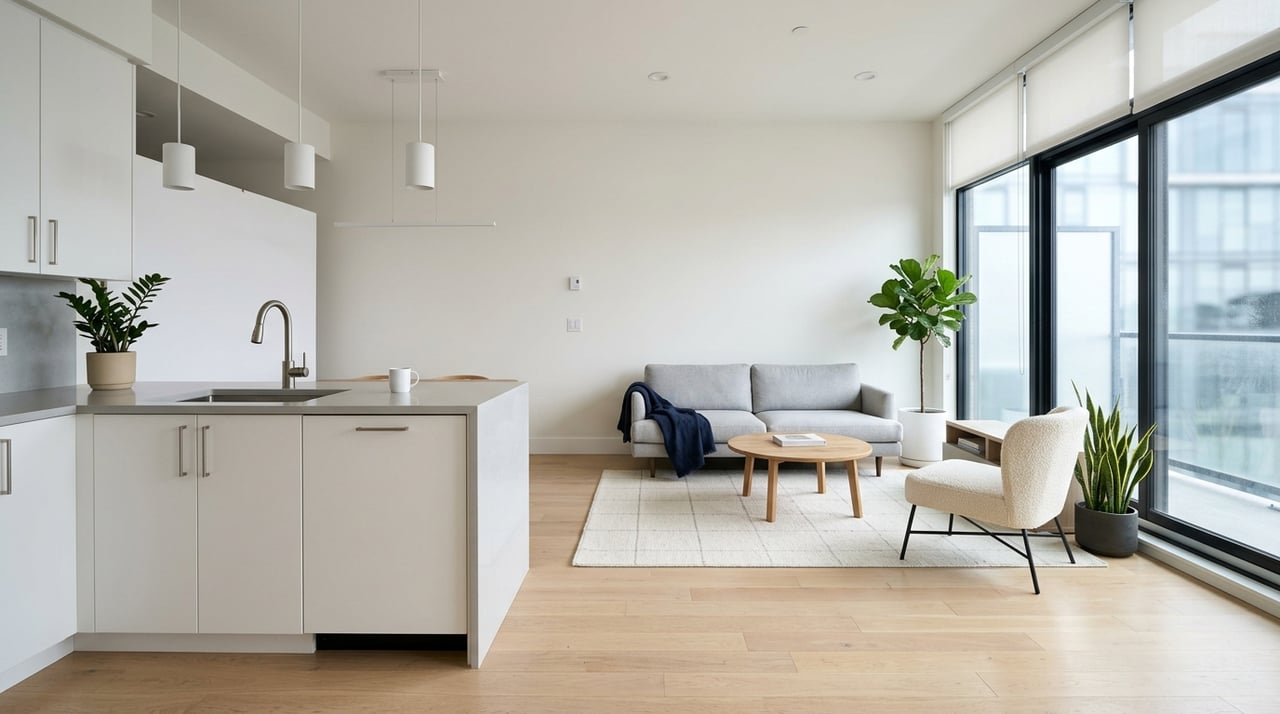
That variety matters if you are trying to match your next home to your lifestyle, budget, and maintenance comfort level. You may be looking for more space than a Chicago condo offers, but you may not want the demands of a large property. In Lake Forest, there are different ways to make that transition.
Architecturally, the city is known for variety rather than one dominant look. Documented home styles include Italianate, Queen Anne, Tudor, French Normandy, French-Baroque, and French Renaissance Revival. For buyers, that can make the search feel more interesting, since the housing stock often has distinct character from one property to the next.
More Space Often Means More Responsibility
One of the biggest benefits of moving to Lake Forest is space. You may gain a larger home, more outdoor area, and a greener setting. For many people, that is the main reason to leave the city.
But space usually comes with more upkeep. Compared with a condo-heavy Chicago lifestyle, suburban ownership can mean more exterior maintenance, more landscape responsibility, and more decisions about repairs and improvements. It is a shift worth understanding early, especially if your current home has building staff or shared maintenance systems.
Renovation Takes Planning
If you are drawn to an older home or a property with room to update, Lake Forest is a place where renovation deserves extra attention. The city’s Building Review Board reviews demolition proposals, new buildings, additions, alterations, lighting, signs, landscaping, and site plans outside historic districts.
The Historic Preservation Commission also uses compatibility standards for alterations and new construction. City guidance encourages renovation and expansion while discouraging demolition. In practical terms, that means buyers should think beyond paint colors and finishes and understand that exterior changes may involve a more structured review process.
For some buyers, that is a positive because it helps preserve the character of the community. For others, it means timelines and project planning may look different than they would in a more purely market-driven setting. If you are considering a value-add purchase, it helps to evaluate not just the home’s potential, but the process that comes with improving it.
Daily Life Centers on Key Destinations
In Chicago, you may be used to a tight neighborhood grid where restaurants, errands, transit, and recreation are packed close together. In Lake Forest, daily life tends to revolve around a few destination nodes instead.
Market Square is one of the most important of those nodes. City planning materials describe it as the heart of town and as the first planned shopping center in the United States. The surrounding area includes retail, restaurants, the train station, City Hall, the Post Office, and nearby parks, which gives downtown a real sense of local center.
This setup works well for many residents because it creates a recognizable hub. It just feels different from the city. Instead of stepping out into a dense grid of options in every direction, you are often choosing where to go, driving or walking there, and building your routine around those established anchors.
Outdoor Living Is a Big Part of the Appeal
For many buyers, the strongest case for Lake Forest is not just a bigger house. It is the combination of space, trees, trails, and lakefront access that can reshape how you spend your free time.
Forest Park Beach is a 29-acre lakefront park with a beach, grass areas, sheltered pavilions, a fishing pier, a boat launching ramp, walking paths, and seasonal concessions. Lifeguards are on duty seasonally from Memorial Day to Labor Day, and resident access is managed through ID and parking rules.
Lake Forest Open Lands adds another major layer to the lifestyle. Its ten preserves cover 930 acres and include more than 20 miles of walking trails that are open to the public year-round. When weather allows, winter activities can include snowshoeing and cross-country skiing.
The city’s 2023 community survey also found very high satisfaction among respondents who had an opinion about city parks and walking and biking trails. That does not define every resident’s experience, but it does support the idea that outdoor amenities are central to how many people enjoy living here.
Fitness and Recreation Are Built In
If your current routine depends on a city gym or fitness studio, it helps to know what Lake Forest offers close to home. The Lake Forest Fitness Center at the Recreation Center on Hastings Road includes a 4,500-square-foot facility, group classes, racquet courts, childcare, and both weekday and weekend hours.
That kind of amenity supports a lifestyle that feels active without needing to head into the city. It also fits the broader pattern of suburban life in Lake Forest, where recreation is often centered around established facilities, preserves, and community spaces.
What City Buyers Usually Gain and Give Up
Every move involves tradeoffs. In Lake Forest, the upside for many Chicago buyers is more room, more greenery, and easier access to outdoor recreation. The tradeoff is that daily convenience often depends more on planning.
You may lose the flexibility of frequent transit and the instant variety of a dense urban block. In return, you may gain a trainable commute, a historic downtown core, more privacy, and a stronger connection to parks, trails, and the lakefront.
That is why the move works best when your housing goals and lifestyle goals line up. If you want suburban space but still value a sense of place and access to Chicago, Lake Forest offers a version of that balance on clearly suburban terms.
Making the Move With Clarity
A city-to-suburb move is not just about square footage. It is about how you want your days to feel. In Lake Forest, that usually means a little more planning, a little more driving, and a lot more emphasis on space, preservation, and the outdoors.
If you are weighing Chicago versus the North Shore, it helps to work with someone who understands both sides of that decision. Jimmy Styx helps buyers and sellers navigate lifestyle moves with clear guidance, local insight, and a low-pressure approach.
FAQs
What is the commute from Lake Forest to downtown Chicago like?
- Lake Forest is served by Metra’s Milwaukee District North line, and current sample runs from Lake Forest to Chicago Union Station take about an hour, so commuting usually requires more schedule planning than in many city neighborhoods.
What types of homes can you find in Lake Forest?
- Lake Forest includes a mix of older single-family homes, estate properties, and newer central business district projects with apartments, condominiums, and single-family homes.
What should buyers know about renovating a home in Lake Forest?
- Buyers should know that exterior changes and some project types may go through city review, including the Building Review Board or Historic Preservation Commission, so renovation planning can be more involved.
What is daily life in Lake Forest centered around?
- Daily life often revolves around key destinations such as Market Square, the train station, parks, recreational facilities, and lakefront spaces rather than a dense neighborhood grid.
What outdoor amenities are available in Lake Forest?
- Lake Forest offers access to Forest Park Beach, 930 acres of Open Lands preserves, more than 20 miles of trails, and seasonal outdoor activities such as walking, snowshoeing, and cross-country skiing when conditions allow.
Is Lake Forest walkable for everyday errands?
- Walkability is strongest in and around the central business district, where the city has invested in pedestrian amenities, while many other errands across the community are more car-dependent.