Life in Old Town can feel surprisingly easy for such a well-known Chicago neighborhood. You get historic streets, a busy Wells Street corridor, strong transit options, and quick access to parks, dining, and comedy, often all within the same day. If you are trying to picture what it is actually like to live here, this guide will walk you through the rhythm of daily life in Old Town Chicago. Let’s dive in.
What Old Town Feels Like
Old Town blends historic character with steady day-to-day energy. The area is widely associated with Wells Street and the Old Town Triangle, where you will find boutiques, restaurants, comedy clubs, health and wellness businesses, and other local services.
That mix creates a neighborhood that feels active without losing its sense of place. The Old Town Triangle District is known for narrow, tree-lined streets and a patchwork of homes built after the Great Chicago Fire of 1871, which gives the area a distinct visual identity.
Wells Street plays a big role in everyday life here. The corridor includes painted bike lanes in both directions, and SSA 48 supports beautification, landscaping, and weekend evening security patrols. For many residents, that adds up to a neighborhood where walking, biking, and staying local feel natural.
Getting Around Old Town
Transit Is a Daily Advantage
One of Old Town’s biggest strengths is how easy it is to move around without relying heavily on a car. CTA access is a major part of daily life, especially if you commute to other parts of the city or want simple connections for errands and evenings out.
Sedgwick station at 1536 N. Sedgwick St. serves the Brown and Purple lines and is an accessible station. It also connects to CTA bus routes #37 and #72, giving you another layer of flexibility for local travel.
You are also close to Red Line access. North/Clybourn is at 1599 N. Clybourn Ave. with connections to bus routes #8, N9, and #72, and Clark/Division offers Red Line service with accessibility upgrades to the station.
The nearby bus network expands your options even more. Routes listed near Old Town include #22 Clark, #36 Broadway, #37 Sedgwick, #72 North, #151 Sheridan, and #156 LaSalle, which helps make day-to-day routines more manageable.
What That Means for Your Routine
In practical terms, Old Town supports a car-light lifestyle. You can often get to work, dinner, a show, or another neighborhood using a combination of train, bus, walking, and biking.
That convenience matters if you want city access without feeling fully dependent on driving. It is one of the reasons Old Town remains appealing to buyers and renters who value walkability and transit access.
Parks and Outdoor Time
Old Town is not centered on one giant park, but it does give you several useful outdoor options nearby. That tends to shape the neighborhood’s daily rhythm in a flexible way rather than around a single destination.
Washington Square Park is a 2.85-acre park in the Near North community with a floral garden and fountain. It is the kind of place that fits shorter, everyday outdoor moments.
Seward Park adds another option with a fieldhouse and year-round programming. Depending on your routine, that can mean a stop for recreation, a casual walk, or a simple change of pace during the week.
For bigger outdoor plans, North Avenue Beach is nearby in Lincoln Park along the Lakefront Trail. Old Town also sits close to the broader green space of Lincoln Park, which makes longer weekend outings easy to fold into your schedule.
Outdoor Life by Scale
Old Town works well if you like having choices. You can keep it simple with a quick walk through the neighborhood, head to a local park, or make a larger outing toward the lakefront.
That layered access is part of what makes daily life here feel balanced. You get an urban setting with enough nearby green space to break up the pace of the city.
Dining and Nightlife on Wells Street
A Neighborhood With Evening Energy
Old Town’s nightlife is not just for visitors. It is part of the neighborhood’s identity, especially along Wells Street, which serves as the main drag for eating, drinking, and entertainment.
Choose Chicago describes Old Town as the birthplace of modern American improv, and live comedy remains central to the area’s personality. That gives the neighborhood a social rhythm that can feel lively even on an ordinary weeknight.
Dining options are also part of that routine. Wells Street includes places such as Orso’s, Kayao, Happy Camper, Old Town Ale House, Woodie’s Flat, and The Vig, giving you a range of familiar go-to spots within the neighborhood.
Comedy Is Part of the Culture
The Second City sits at North Avenue and Wells, and Zanies is at 1548 N. Wells. From Sedgwick station, Zanies is about a 0.3-mile walk, which gives you a sense of how closely entertainment and transit connect here.
There is also a longer-running neighborhood feel to some of these places. Kamehachi has been in its Old Town location since 1967, and Orso’s notes more than 45 years in the neighborhood with traditional Northern Italian food and a warm-weather patio.
For residents, this concentration of venues makes it easy to build social plans close to home. Dinner, drinks, and a show can all happen within a compact area, which is a real part of Old Town’s appeal.
Housing in Old Town
A Mix of Old and New
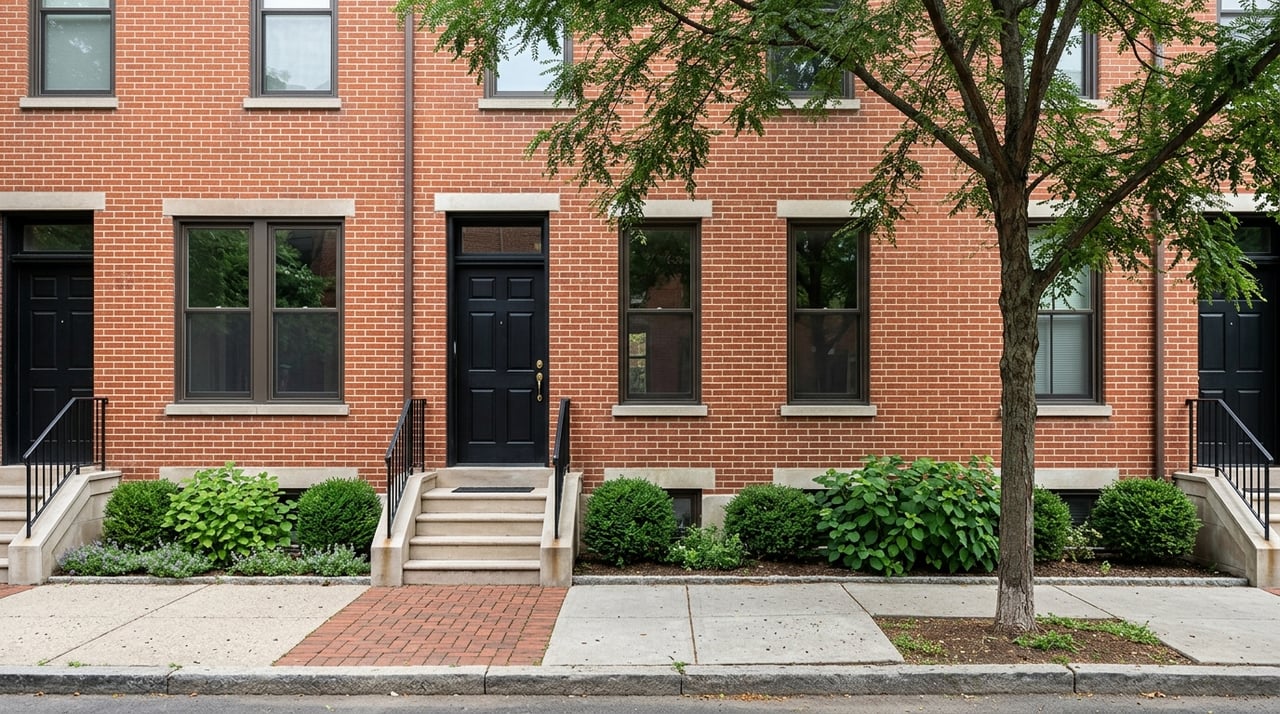
Old Town’s housing stock is one of its defining features. The neighborhood includes small workers’ cottages, brick and stone houses, rowhouses, apartment buildings, and architecturally notable homes from different eras.
The Old Town Triangle District reflects much of that history. The area developed with housing built after the Great Chicago Fire, and the neighborhood still shows that layered architectural story today.
The Chicago Architecture Center also points to a mix that includes historic frame residences, early Adler and Sullivan row houses, and townhomes by Harry Weese and Walter Netsch. That gives Old Town more variety than a neighborhood made up mostly of one building type.
There is a newer housing layer too. For example, 1225 Old Town on Wells is a 15-story luxury apartment building with a rooftop garden and deck, fitness center, and first-floor retail.
What Buyers and Renters Often Notice
This housing mix can make Old Town feel more intimate than some nearby high-rise-heavy areas. You will see a combination of historic homes, low-rise living, and newer residential options rather than one uniform look.
That variety can be helpful if you are comparing lifestyle priorities. Some people want historic detail and neighborhood texture, while others want newer amenities and a more lock-and-leave setup.
Old Town Compared With Nearby Areas
If you are trying to decide where Old Town fits within central Chicago, it often lands in a useful middle ground. It offers a strong neighborhood identity while staying close to downtown, the lakefront, and several major transit connections.
Compared with Gold Coast, Old Town tends to feel more neighborhood-scaled and more centered on mixed-use local streets. Compared with Lincoln Park, Old Town has less parkland of its own but a more concentrated dining-and-comedy corridor.
That combination is a big reason people are drawn to it. Old Town feels historic and social, but it also stays practical for everyday city living.
Why Daily Life Here Stands Out
Old Town works well for people who want more than just a place to sleep between commutes. It offers a day-to-day experience shaped by walkable streets, transit access, neighborhood businesses, parks nearby, and a built-in entertainment scene.
You can start your day on a quiet, tree-lined block, move easily through the city, and end the evening on Wells Street without feeling like you had to plan a complicated outing. That kind of convenience is hard to ignore when you are choosing where to live in Chicago.
If you are exploring Old Town as your next move, having a local perspective can make the search a lot clearer. Jimmy Styx offers buyer and seller guidance with a calm, neighborhood-focused approach that helps you match the right home to the way you actually want to live.
FAQs
What is daily life like in Old Town Chicago?
- Old Town blends historic residential streets with an active Wells Street corridor, giving you a mix of neighborhood charm, dining, entertainment, and convenient transit access.
How do you get around Old Town Chicago without a car?
- Old Town has access to the CTA through Sedgwick, North/Clybourn, and Clark/Division, along with several bus routes and bike-friendly streets, including Wells Street.
What parks are near Old Town Chicago?
- Nearby outdoor options include Washington Square Park, Seward Park, North Avenue Beach, and the larger green space of Lincoln Park.
What is Wells Street known for in Old Town Chicago?
- Wells Street is the neighborhood’s main commercial corridor, known for restaurants, bars, boutiques, comedy clubs, health and wellness businesses, and bike lanes.
What types of homes are in Old Town Chicago?
- Old Town includes historic cottages, brick and stone houses, rowhouses, apartment buildings, architecturally notable townhomes, and newer luxury apartment options.
How is Old Town different from Gold Coast and Lincoln Park?
- Old Town generally feels more neighborhood-scaled than Gold Coast and more entertainment-focused than Lincoln Park, while still staying close to transit, downtown, and the lakefront.