If you have ever looked at West Town prices and wondered how buyers make the numbers work, house hacking is one of the clearest answers. It can help you lower your monthly housing cost by living in part of a property while renting out the rest. In a neighborhood with lots of small multi-unit buildings and a large renter base, that strategy can be especially practical. Let’s dive in.
Why house hacking fits West Town
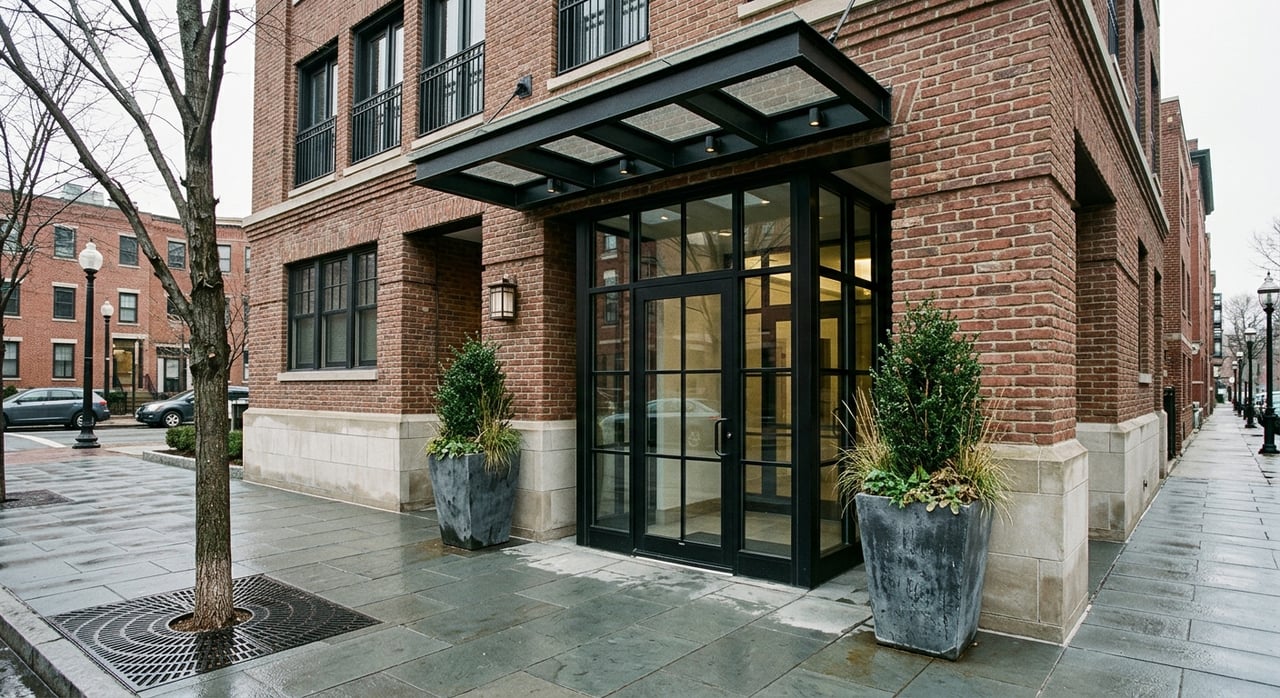
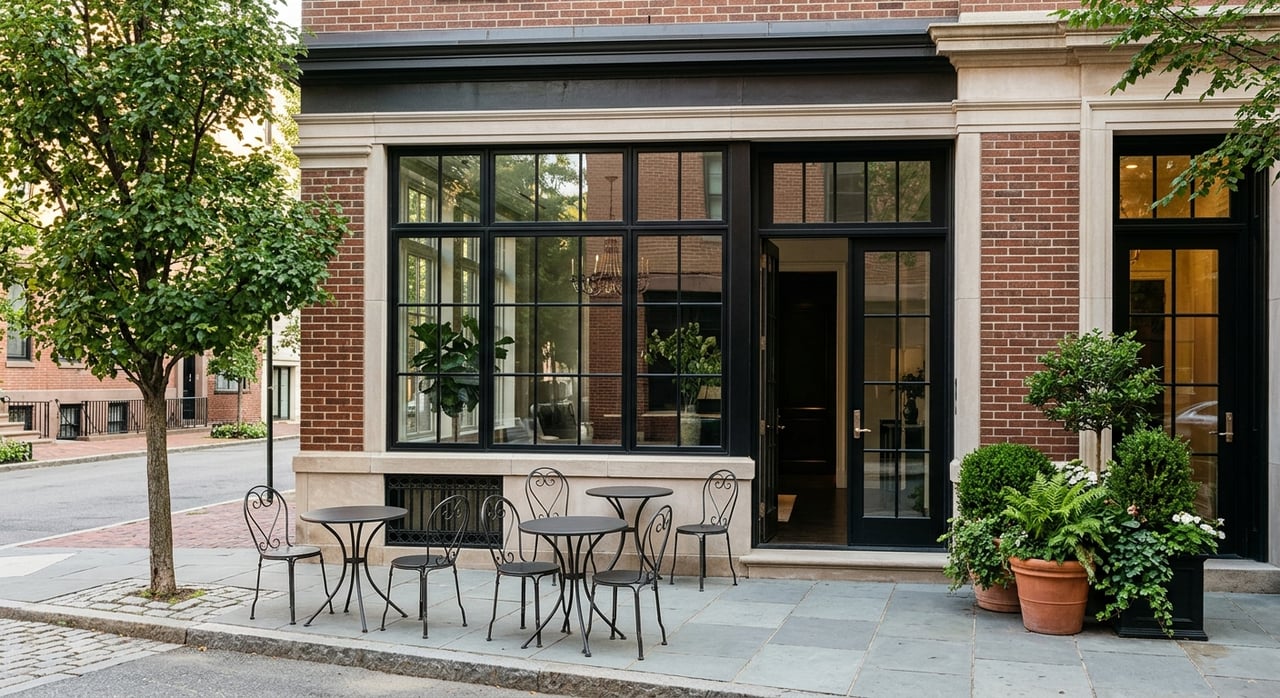
West Town has several traits that make house hacking worth a serious look. According to the CMAP West Town snapshot, 58.7% of occupied households are renter-occupied, which points to a strong rental presence in the area. The same report shows that 43.6% of housing units are in 2-to-4-unit structures, which is exactly the kind of housing stock many house hackers target.
That local housing mix matters because house hacking works best where smaller multi-unit properties are common and renters are already part of the neighborhood landscape. West Town also reports a median gross rent of $1,986, which helps explain why offsetting your payment with rental income is part of the conversation here. Add in the fact that 10.3% of residential sales in 2022 involved investor buyers, and it is clear that income-producing property is already on many buyers’ radar.
What house hacking means
At its core, house hacking means you buy a home, live in it as your primary residence, and rent out part of it to help cover your costs. The setup can look different depending on the property. In West Town, the most common version is a small multi-unit building where you occupy one unit and lease the other.
You might also see a one-unit property with a legal accessory dwelling setup, or a condo where you share space with a roommate. The right option depends on the building, the layout, and whether the space is actually allowed to function as a separate living area. In Chicago, those details matter early, not later.
Best house-hack setups in West Town
Two-flats and small multi-units
This is the classic West Town play. You live in one unit of a two-flat, three-flat, or four-flat and rent the other unit or units. It is straightforward, familiar to the local housing stock, and often easier to understand than more creative conversions.
From a financing standpoint, this setup also has a clear framework. Fannie Mae allows rental income from a two- to four-unit principal residence when the borrower occupies one of the units. For many buyers, that makes the small multi-unit route the most practical entry point into house hacking.
One-unit homes with coach houses or accessory units
Some West Town properties include a coach house or another separate living space. These can work for house hacking, but only if the area is truly self-contained. Fannie Mae describes an accessory dwelling unit as an independent living area with separate ingress and egress, plus its own kitchen, sleeping area, bathing area, and bathroom facilities.
That means not every extra room, finished basement, or rear structure qualifies. Features like legal rentability, a unique postal address, and separate utility meters can also affect how the property is classified. If you are considering this path, it is smart to confirm the building status before you build your budget around rental income.
Condo with a roommate
A condo can still be a form of house hacking, but the structure is different. Instead of creating a separate unit, you usually share one dwelling with a roommate or boarder. That can help offset costs, but it is not the same as owning a property with a fully independent rental unit.
If your plan starts moving toward short-term rental activity, Chicago has separate shared-housing rules that come into play. The city also maintains a list of buildings where short-term rental activity is prohibited under that ordinance. In other words, a condo house hack may be simple if it is just a roommate, but more complex if you want a different rental model.
Why legal layout matters
A good house hack is not just about squeezing in rent. It is about whether the property functions properly for both you and the person living there. In practice, that means the rental space should feel independent, private, and usable on its own.
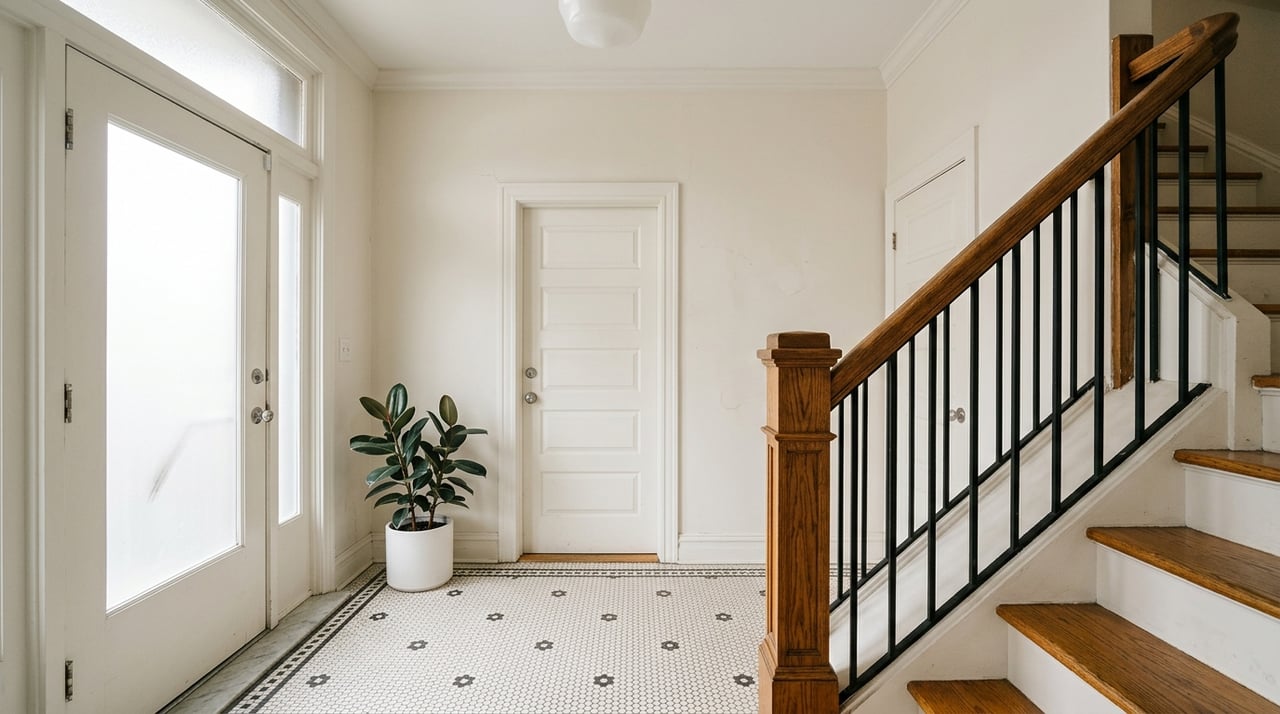
The features that tend to matter most are separate access, a kitchen, a sleeping area, a bathing area, and enough privacy for day-to-day living. Those are not just tenant-friendly features. They also line up with the standards used to distinguish a true accessory dwelling setup from extra finished space.
Chicago rules to check before you buy
Zoning is address-specific
One of the biggest mistakes buyers make is assuming a whole neighborhood follows the same zoning pattern. In Chicago, zoning is parcel-specific. The city’s zoning map notes that designations are detailed enough that they cannot be effectively shown by neighborhood alone, so West Town projects need to be verified address by address.
That matters if you are buying with plans to add a unit, convert space, or legalize an existing setup. A property that looks ideal from the street may not support your plan without more review. The best time to check that is before you commit, not after closing.
Permits come into play early
If you want to add a unit, rework a basement, legalize a rear structure, or change the use of a building, permits matter early in the process. Chicago states that for most building permit applications, zoning review must be approved or waived before the permit can be issued.
That sequence can affect both timeline and budget. A deal that works on paper can start to shift if the property needs additional approvals, design changes, or more extensive work than expected. This is where careful planning can save you from expensive surprises.
Occupancy status can matter too
If your project changes how the building is occupied, the city has a Certificate of Occupancy application and inspection process tied to the building, owner, occupancy type, permit type, and completion status. That is especially relevant if you are changing use or completing work that affects how the property is legally occupied.
For buyers, the takeaway is simple: if the plan involves more than moving into an already functional setup, confirm what the property is today and what it would take to use it the way you intend.
Special note on coach houses and landmarks
West Town includes older housing stock, and that can be part of the appeal. The CMAP snapshot shows that 42.2% of units were built before 1940, with a median year built of 1961. Older buildings often come with character, but they can also come with more rules.
If a property is a Chicago landmark or located inside a landmark district, coach-house rules may be tighter. Under the city’s Landmarks Ordinance, a nonconforming coach house may be used as a dwelling unit for a single household only if it was previously a legal dwelling unit, and expansions are not allowed. So if a rear structure is central to your plan, verify its status carefully.
Financing realities to understand
Many buyers are drawn to house hacking because it can make ownership feel more reachable. In the right scenario, rental income may help support your financing picture. For owner-occupied properties, some conventional loan guidelines treat rental income differently than they would for a pure investment property.
Fannie Mae explicitly allows rental income from an occupied two- to four-unit principal residence. It also allows rental income from an existing accessory dwelling unit on a one-unit principal residence under specific conditions. The key word is existing, which is another reason buyers should confirm what is already legal and functional at the property.
What makes a smart West Town house hack
The strongest house hacks in West Town usually share a few traits:
- A layout that already supports independent living
- Clear address-specific zoning and property status
- Realistic expectations about permits or occupancy changes
- A property type that fits local housing stock, especially 2-to-4-unit buildings
- A plan that matches how you actually want to live day to day
That last point matters more than many buyers expect. House hacking is not only a math problem. It is also a lifestyle decision. The best setup is one that helps your finances without making your daily life feel cramped, uncertain, or overly complicated.
How to evaluate a West Town property
When you tour potential properties, keep your focus on both numbers and function. Ask whether the rental space feels truly separate. Look at entrances, privacy, kitchen and bath access, and how the building is currently configured.
Then step back and think about the bigger picture. Is this a straightforward two-flat, or a property that depends on approvals and future work? Are you comfortable sharing walls or common areas, or do you want a cleaner split between your space and the rental unit?
In West Town, those questions can make the difference between a smooth owner-occupied investment and a project that becomes more complex than expected. The opportunity is real here, but the details drive the outcome.
If you want help identifying which West Town properties make sense for this strategy, working with someone who understands local building types, neighborhood patterns, and renovation potential can save you time and help you avoid dead ends.
Whether you are comparing a classic two-flat, a condo roommate setup, or a property with a coach house, the goal is the same: buy with clarity. If you want a practical, low-pressure conversation about what might work for your budget and goals in West Town, reach out to Jimmy Styx.
FAQs
What does house hacking mean for a West Town buyer?
- House hacking in West Town usually means buying a primary residence and renting out part of it, such as another unit in a two-flat or space in a condo shared with a roommate.
Why is West Town considered a strong area for house hacking?
- West Town has a large renter base, with 58.7% of occupied households renter-occupied, and 43.6% of housing units are in 2-to-4-unit structures, according to CMAP.
Can a West Town two-flat work for house hacking?
- Yes. A two-flat is one of the most common house-hack setups in West Town because you can live in one unit and rent the other, and Fannie Mae allows rental income from an owner-occupied two- to four-unit principal residence.
Can a West Town coach house be used for house hacking?
- It can, but only if the space is legally and functionally a separate living area, and landmark status or district rules may create additional limits.
Does zoning for house hacking vary across West Town?
- Yes. Chicago zoning is parcel-specific, so you need to verify zoning and allowed use by property address rather than assuming the same rules apply across the neighborhood.
Do permits matter for a West Town house-hack project?
- Yes. If you are adding a unit, changing use, reworking a basement, or legalizing a structure, Chicago’s permit process and zoning review can affect your timeline and budget.
Can rental income help with financing a West Town house hack?
- In some cases, yes. Fannie Mae allows rental income from an owner-occupied two- to four-unit principal residence and, under specific conditions, from an existing accessory dwelling unit on a one-unit principal residence.